Seasonal Tips for Installing a Fence Successfully

November 26, 2025

Installing a fence is more than just choosing the right materials and style—it’s about timing. The season in which you plan your fence installation can significantly impact the longevity, durability, and overall success of the project. Weather conditions, soil moisture, and temperature all play a role in how well your fence posts set and how the materials perform over time. By planning strategically according to the seasons, homeowners can avoid common pitfalls like shifting posts, rotting wood, and paint or stain issues. Understanding seasonal considerations ensures a smoother installation process and a stronger, more attractive fence for years to come.

Spring: Preparing for Growth and Moisture

Spring is an ideal time for fence installation because the soil is soft from winter thawing, making post digging easier. However, it’s also a season of higher rainfall. Excess moisture can cause wood to swell and shift, so it’s essential to use pressure-treated wood or composite materials that resist moisture damage. Make sure the ground is not overly saturated before digging post holes to prevent instability. Additionally, applying a protective sealant after installation can shield your fence from spring showers and fluctuating temperatures.

Summer: Optimal Conditions for Setting and Painting

Summer offers warm, dry weather, making it perfect for setting concrete posts and painting or staining your fence. Dry conditions help concrete cure properly, ensuring sturdy post anchoring. If installing wooden fences, summer is also the best time for applying paint or stain, as the sun helps these finishes dry evenly and adhere properly. Be mindful of extreme heat, which can cause warping or cracking in certain materials, and schedule installation during cooler parts of the day to protect both workers and materials.

Fall: Maintenance and Soil Preparation

Fall is another excellent season for fence installation. The cooler temperatures and lower humidity reduce the risk of wood warping or paint issues. It’s also a good time to prepare your property for winter by ensuring drainage around fence posts is adequate. This prevents water from pooling and freezing around posts, which could lead to shifting or damage. Using a protective finish or sealant before the cold weather sets in helps extend the lifespan of your fence. Fall installations allow your fence to settle before the freeze-thaw cycle of winter begins.

Winter: Planning and Alternative Materials

Winter presents unique challenges, particularly in colder regions where frozen ground can make post digging difficult. While traditional wood fences may be harder to install during this time, alternatives like vinyl, chain link, or modular fencing can be installed with minimal ground disruption. Winter also offers an opportunity for planning your fence layout, obtaining permits, and ordering materials so that you’re ready for spring installation. Working with professionals experienced in winter installations ensures the project remains on track despite adverse conditions.

Expert Fence Installation with Steve's Fence and Railing

Choosing the right season is crucial, but pairing that knowledge with expert installation ensures the best results. At Steve's Fence and Railing, we bring 24 years of experience serving Perkasie, Doylestown, and beyond. Our team guides you through every step, from seasonal planning to material selection and precise installation, guaranteeing a fence that not only enhances your property’s beauty but also stands the test of time. Trust us for durable, professional, and timely fence solutions that match your needs and lifestyle.

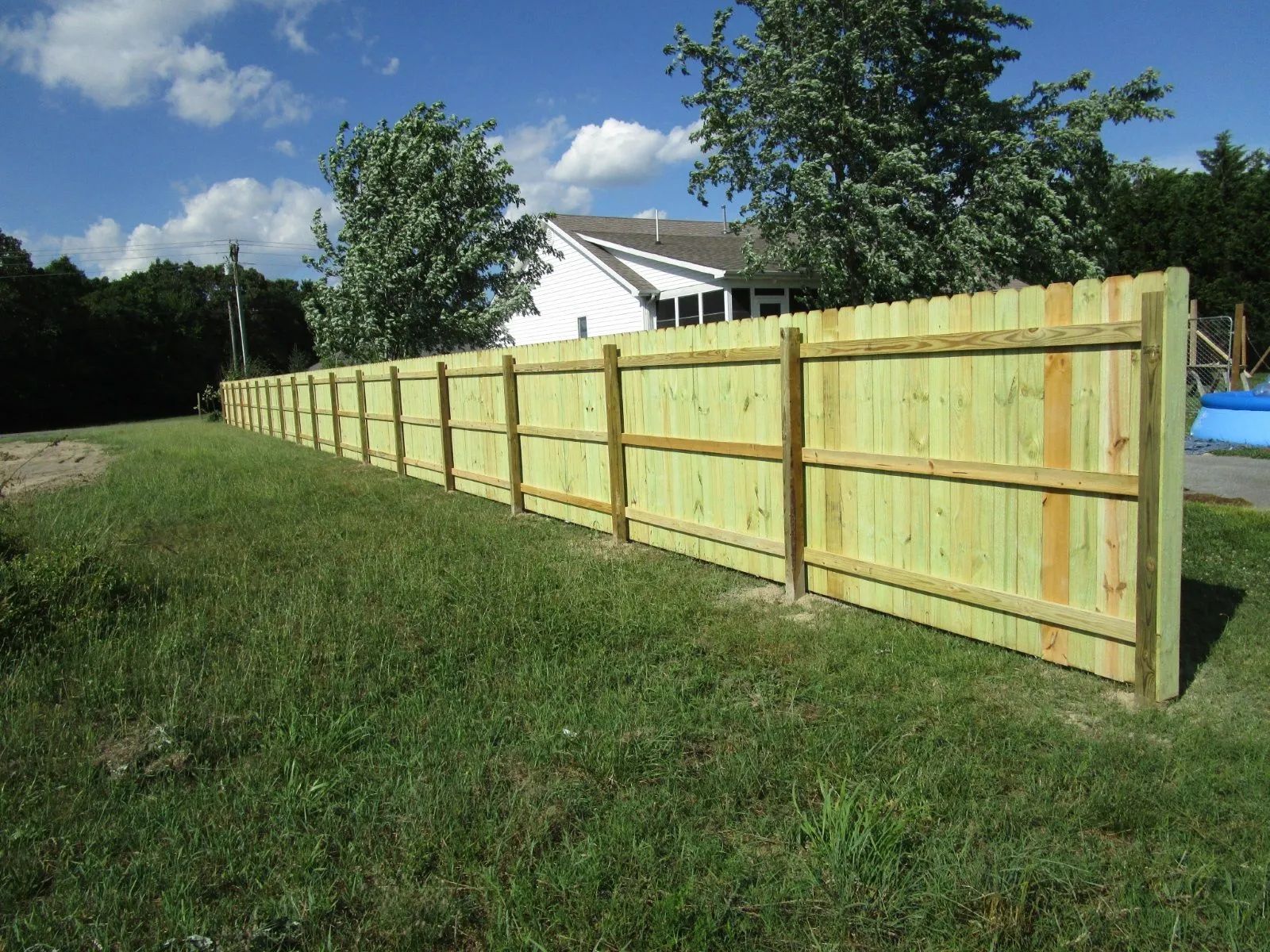
Green backyard lawn with a wooden privacy fence and trees in the background
April 21, 2026
Fence installation is more than placing posts and panels along a property line; it is a structured process that combines planning, precision, and compliance with local regulations. Whether the goal is privacy, security, pet containment, or enhancing curb appeal, understanding what happens during installation helps set realistic expectations and prevents costly mistakes. Many property owners underestimate the preparation involved, assuming the process begins and ends with physical construction. In reality, successful fencing projects depend on accurate measurements, material selection, soil conditions, and proper sequencing of work. A clear understanding of each stage allows better decision-making and smoother coordination with installation professionals. From the initial site evaluation to the final inspection, every step plays a role in ensuring durability, alignment, and long-term performance. Without proper guidance, issues such as uneven installation, boundary disputes, or premature wear can arise. This step-by-step guide breaks down the entire fence installation process in a practical and structured way, helping property owners understand what to expect at each stage. With the right approach, fence installation becomes a predictable and efficient improvement that adds both value and functionality to any residential or commercial property.
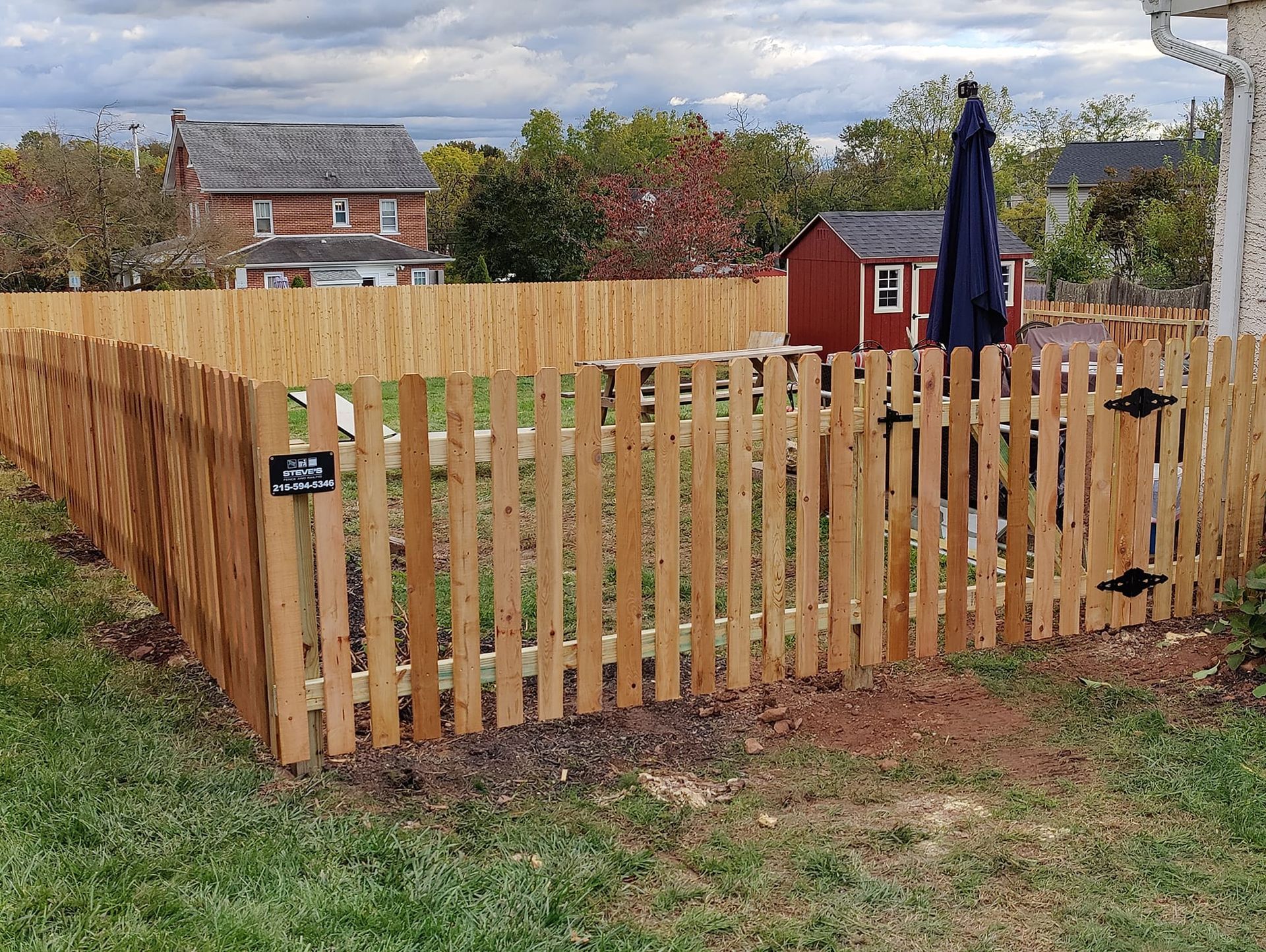
A light-colored wooden privacy fence meets a split-rail fence in a backyard, with a red-leaf tree and house in the background.
March 17, 2026
Choosing the right fencing material is one of the most important decisions for homeowners looking to enhance the security, aesthetics, and overall value of their property.
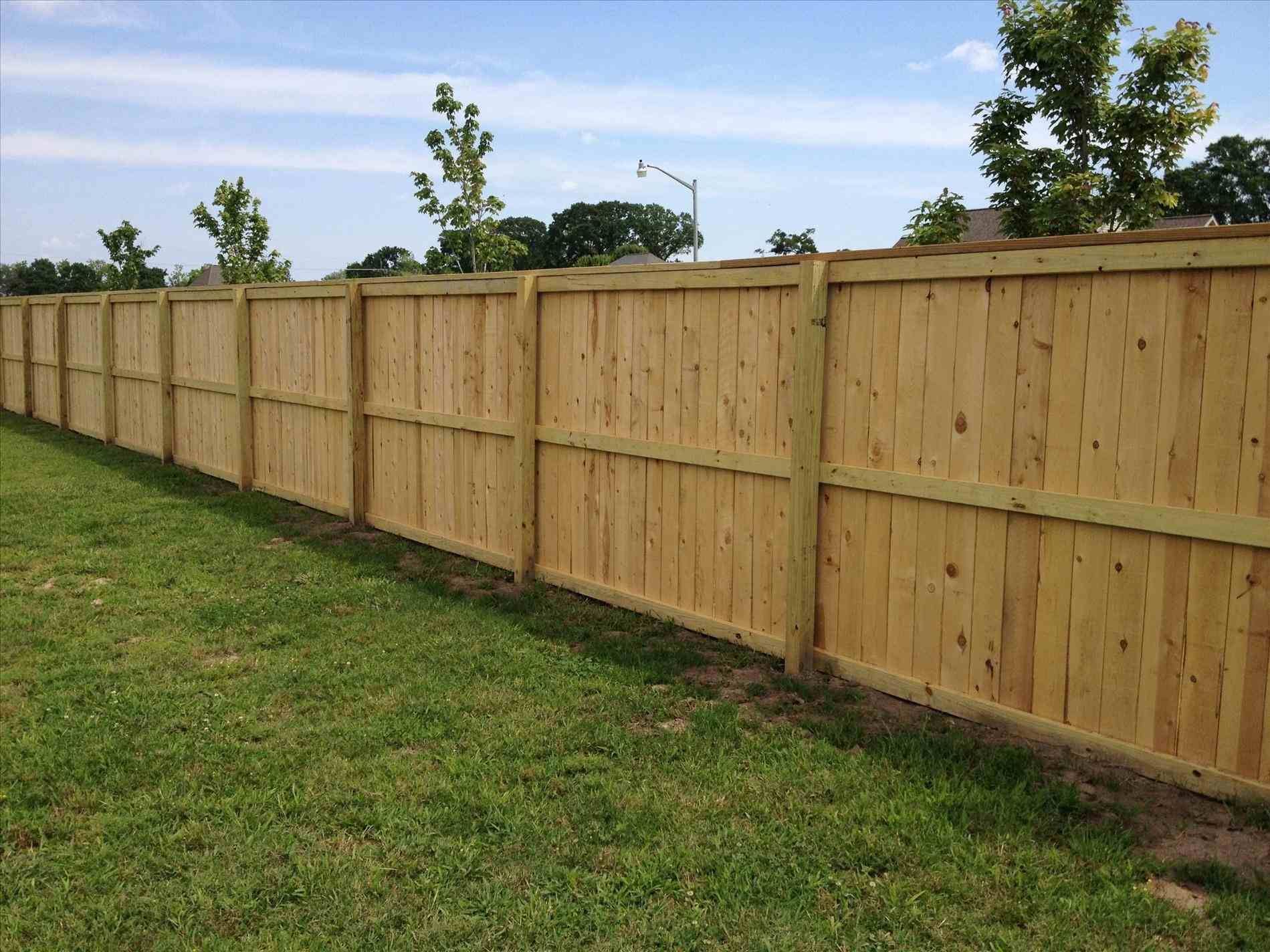
Green backyard with a newly built wooden fence, on a sunny day.
February 22, 2026
Installing a fence may seem like a straightforward home improvement project, but navigating the maze of local regulations can make it surprisingly complex. Fence regulations vary widely depending on the municipality, homeowner association (HOA) rules, and zoning laws.