How to Ensure Your Railings Are Safe and Durable?

November 26, 2025

Railings are more than just decorative features; they are essential safety components for both homes and commercial spaces. Properly installed and well-maintained railings prevent accidents, provide support, and enhance the overall aesthetic appeal of your property. With the right materials, installation techniques, and regular upkeep, railings can remain both safe and durable for years. Whether you are installing new railings or inspecting existing ones, understanding how to ensure their reliability is critical. This guide offers practical tips to help homeowners and business owners maintain railings that stand the test of time.

1. Choose the Right Material

The durability of a railing begins with the material. Common options include wood, aluminum, steel, and wrought iron. Each has its own benefits and maintenance needs. Wood offers a classic look but requires regular sealing and treatment against rot and pests. Metal railings, such as aluminum or steel, are highly durable and resistant to weather damage but may need occasional rust prevention. For long-lasting performance, select materials that suit your climate, usage frequency, and aesthetic preferences.

2. Ensure Proper Installation

Even the highest-quality materials can fail if not installed correctly. Railings should be securely anchored to structural elements like posts, walls, or stair frameworks. Posts must be set at the correct depth and reinforced to prevent wobbling. Fasteners, brackets, and connectors should be corrosion-resistant and compatible with the railing material. Hiring experienced professionals ensures that your railings meet safety codes and function reliably, reducing the risk of accidents.

3. Regular Inspections and Maintenance

Safety and durability are maintained through consistent care. Inspect your railings at least once or twice a year, checking for loose connections, cracks, rust, or signs of wear. Wooden railings may require sanding and sealing, while metal railings may benefit from repainting or rust treatments. Addressing small issues promptly prevents larger problems that could compromise structural integrity. Regular cleaning also removes debris that can trap moisture or accelerate deterioration.

4. Consider Environmental Factors

Railings exposed to extreme weather, heavy foot traffic, or moisture need extra attention. For outdoor railings, ensure proper drainage around posts to avoid water pooling and potential decay. Metal railings in coastal areas may require specialized coatings to resist salt-induced corrosion. Understanding how environmental factors affect your railings allows you to take preventive measures that extend their lifespan.

5. Comply with Safety Standards

Local building codes often dictate specific height, spacing, and strength requirements for railings. Compliance ensures not only safety but also legal protection. Make sure that stair railings are at a comfortable height, horizontal spacing prevents accidents, and load-bearing capacity meets safety standards. This attention to detail reinforces both functionality and peace of mind.

Trust Steve's Fence and Railing for Safe, Durable Railings

Ensuring that your railings are safe and durable involves selecting quality materials, professional installation, regular maintenance, and adherence to safety standards. For residents and businesses in Perkasie, Doylestown, and beyond, Steve's Fence and Railing offers 24 years of trusted experience in creating railings that are both functional and visually appealing. Our team specializes in installations and repairs that guarantee long-lasting performance, enhancing safety and curb appeal. With a commitment to quality craftsmanship and customer satisfaction, you can rely on us to protect your property with style and durability.

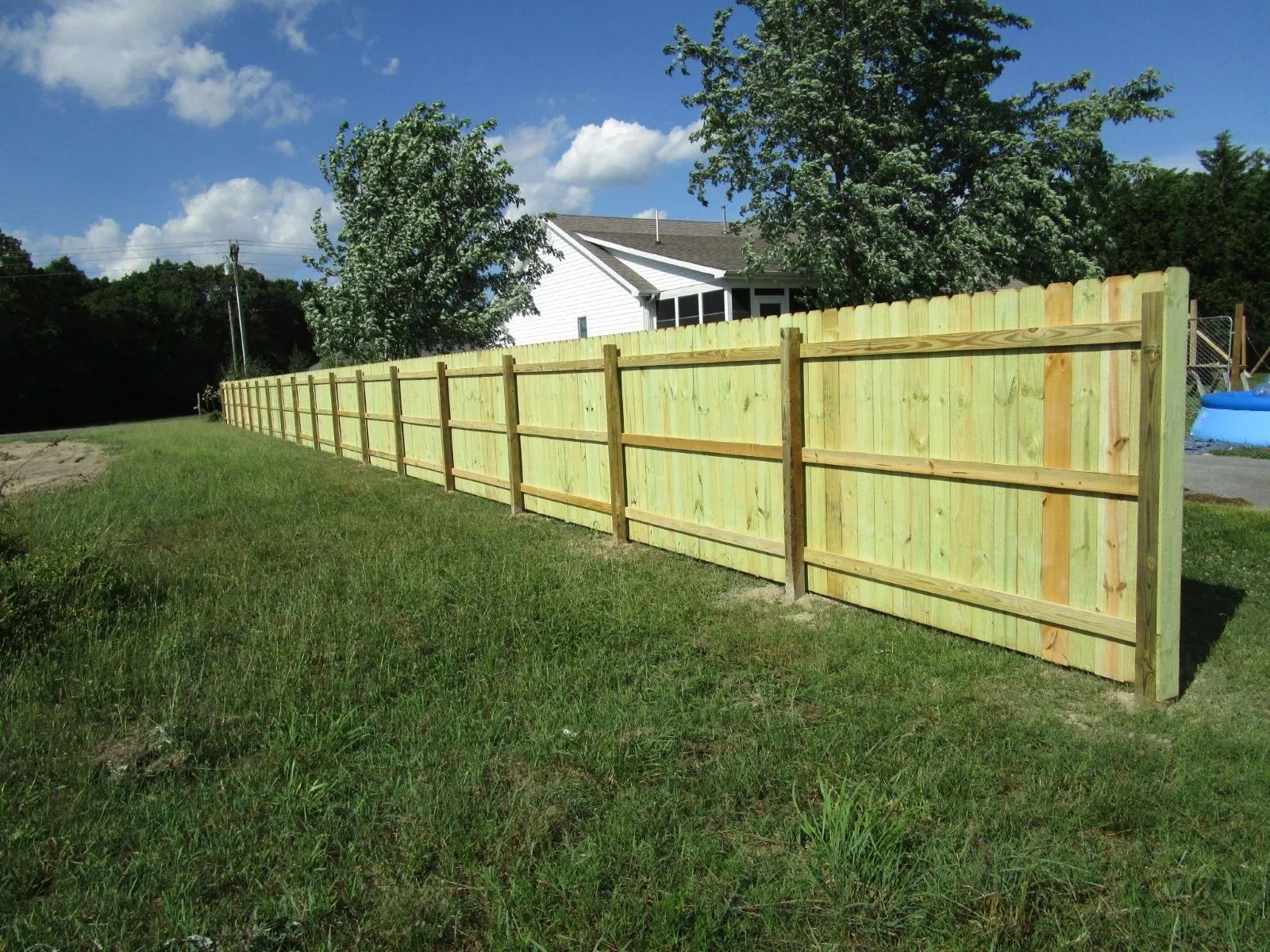
Green backyard lawn with a wooden privacy fence and trees in the background
April 21, 2026
Fence installation is more than placing posts and panels along a property line; it is a structured process that combines planning, precision, and compliance with local regulations. Whether the goal is privacy, security, pet containment, or enhancing curb appeal, understanding what happens during installation helps set realistic expectations and prevents costly mistakes. Many property owners underestimate the preparation involved, assuming the process begins and ends with physical construction. In reality, successful fencing projects depend on accurate measurements, material selection, soil conditions, and proper sequencing of work. A clear understanding of each stage allows better decision-making and smoother coordination with installation professionals. From the initial site evaluation to the final inspection, every step plays a role in ensuring durability, alignment, and long-term performance. Without proper guidance, issues such as uneven installation, boundary disputes, or premature wear can arise. This step-by-step guide breaks down the entire fence installation process in a practical and structured way, helping property owners understand what to expect at each stage. With the right approach, fence installation becomes a predictable and efficient improvement that adds both value and functionality to any residential or commercial property.
A light-colored wooden privacy fence meets a split-rail fence in a backyard, with a red-leaf tree and house in the background.
March 17, 2026
Choosing the right fencing material is one of the most important decisions for homeowners looking to enhance the security, aesthetics, and overall value of their property.
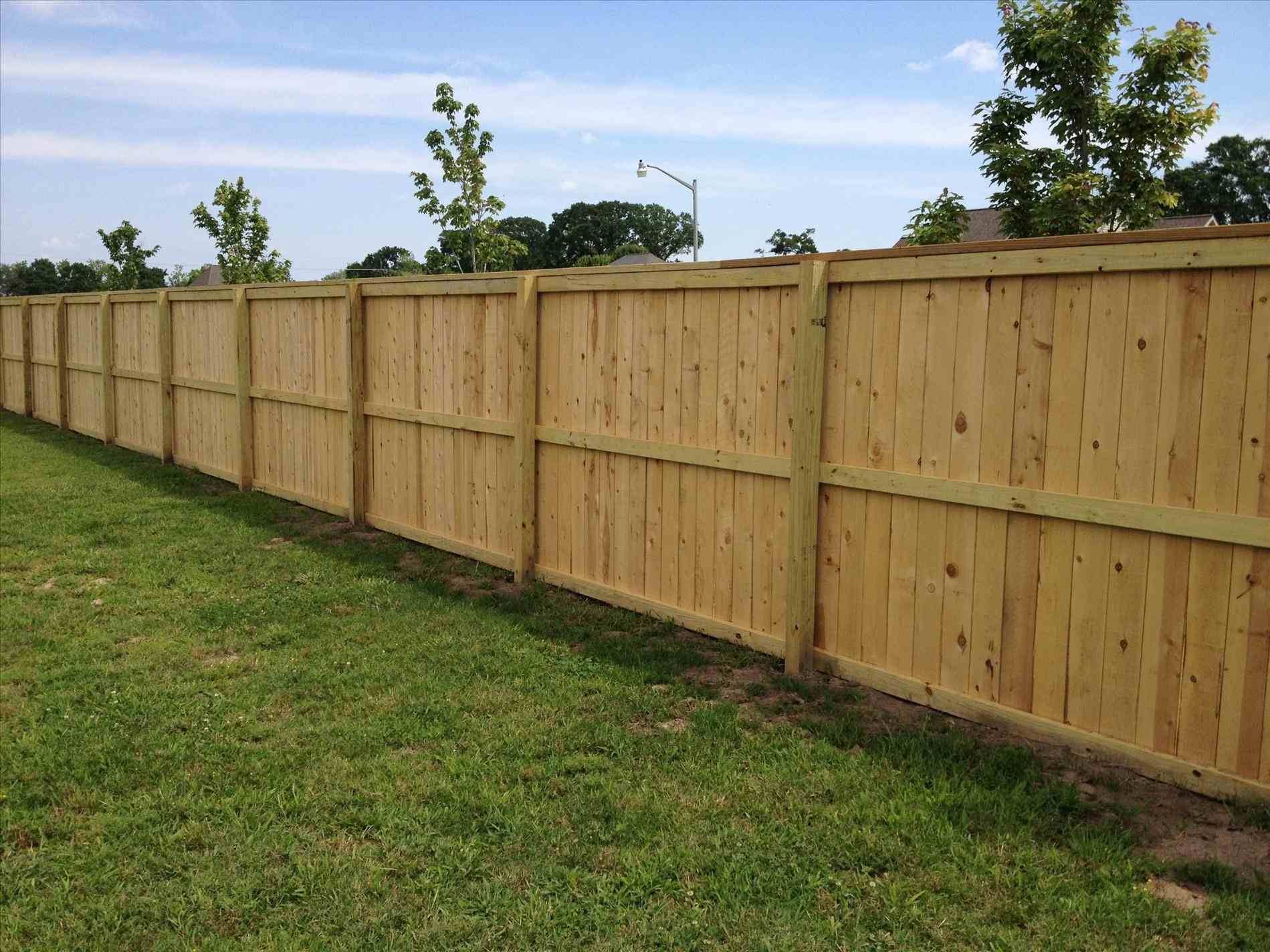
Green backyard with a newly built wooden fence, on a sunny day.
February 22, 2026
Installing a fence may seem like a straightforward home improvement project, but navigating the maze of local regulations can make it surprisingly complex. Fence regulations vary widely depending on the municipality, homeowner association (HOA) rules, and zoning laws.