How to Choose the Best Materials for Your Fence Installation?

November 26, 2025

Choosing the right materials for your fence installation is a critical decision that affects your property’s appearance, security, and longevity. With so many options available, from wood and vinyl to metal and composite, it can be overwhelming to determine which material best fits your needs. Factors such as durability, maintenance requirements, budget, and aesthetic appeal all play a role in this choice. A well-selected fence material not only enhances your home’s curb appeal but also ensures long-lasting performance. Understanding your priorities and the characteristics of each material is the first step in making an informed decision.

1. Wood Fencing: Classic Beauty with Natural Charm

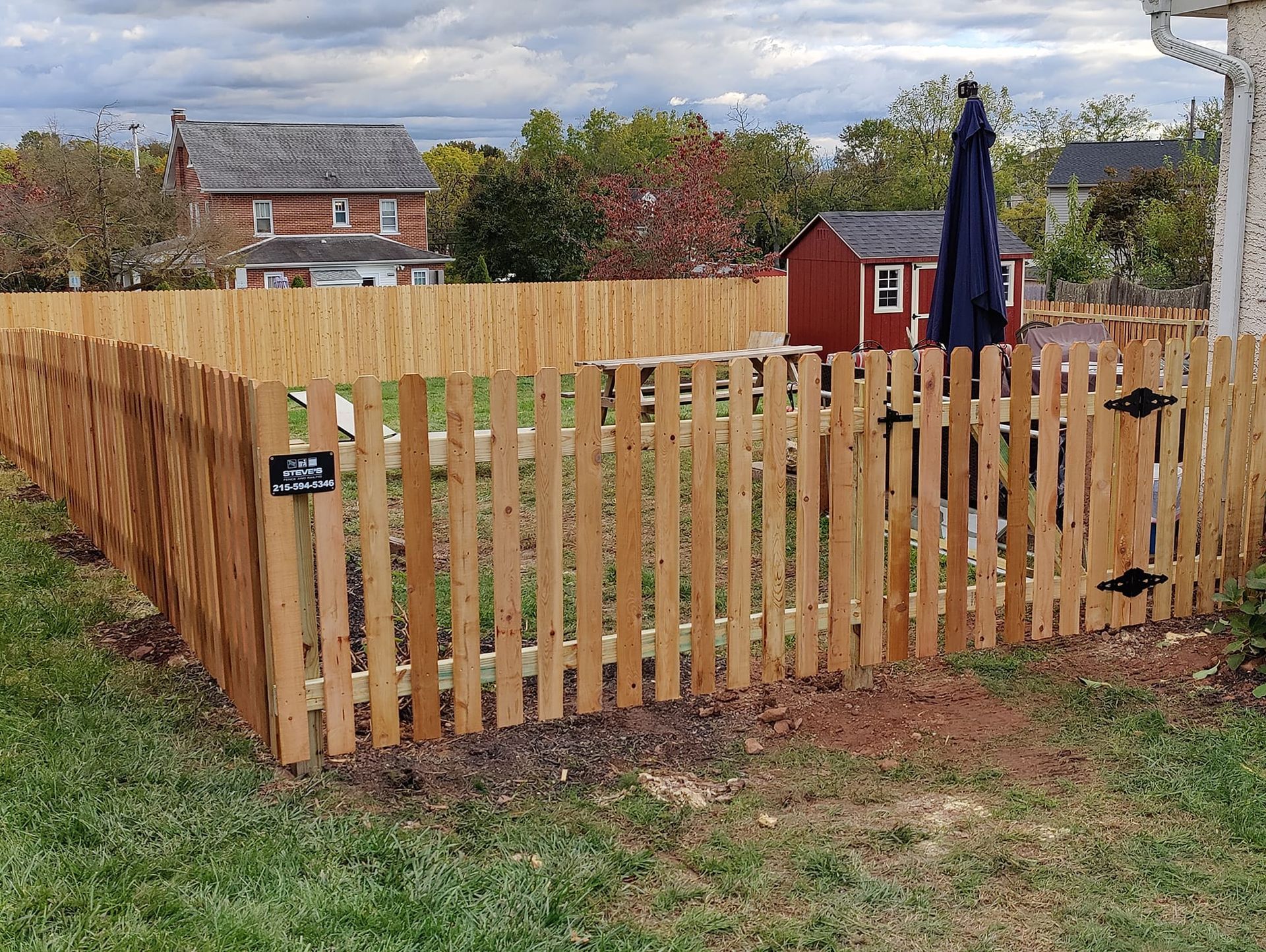
Wood fences are a timeless choice known for their natural beauty and versatility. They can be stained or painted to match your home’s style, creating a warm and inviting look. Popular options include cedar, pine, and redwood, each offering different levels of durability and resistance to decay. While wood provides a classic aesthetic, it requires regular maintenance, such as sealing or staining, to protect it from weather damage and prolong its lifespan.

2. Vinyl Fencing: Low Maintenance and Long-Lasting

Vinyl fences are ideal for homeowners seeking a low-maintenance solution. Resistant to rot, insects, and fading, vinyl fences retain their color and structure for years with minimal upkeep. They come in various styles, including privacy, picket, and ranch, allowing customization to suit any property. While the upfront cost may be higher than wood, vinyl’s durability and easy maintenance make it a cost-effective long-term choice.

3. Metal Fencing: Security and Strength

Metal fences, such as aluminum, steel, and wrought iron, are perfect for those prioritizing security and longevity. Aluminum offers a lightweight, rust-resistant option with minimal maintenance, while steel provides robust strength. Wrought iron combines durability with ornate designs, adding elegance to your property. Metal fences are highly durable but may require occasional painting or coating to prevent rust and maintain their appearance.

4. Composite Fencing: Eco-Friendly and Resilient

Composite fences are crafted from a blend of wood fibers and recycled plastics, offering the visual appeal of wood with the durability of synthetic materials. They resist rot, insects, and weather damage, requiring little maintenance over time. Composite fencing is available in a range of colors and textures, making it a versatile choice for modern or traditional homes. Its eco-friendly nature also appeals to environmentally conscious homeowners.

5. Considerations for Material Selection

When selecting fence materials, consider your property’s specific needs, including climate, intended use, and budget. Maintenance expectations, aesthetic preferences, and local regulations should also guide your decision. Consulting with a professional fence contractor can provide valuable insight into the best materials for your unique situation, ensuring both beauty and functionality in your fence installation.

Trust the Experts at Steve's Fence and Railing

At Steve's Fence and Railing, we bring 24 years of experience helping homeowners in Perkasie, Doylestown, and beyond choose and install the perfect fence for their property. Our team understands the importance of selecting the right material to match your style, budget, and long-term goals. From wood and vinyl to metal and composite, we provide expert guidance, precise installation, and lasting results. Trust our skilled professionals to enhance your home’s curb appeal while delivering durable, high-quality fencing solutions tailored to your needs. Your ideal fence starts with Steve's Fence and Railing.

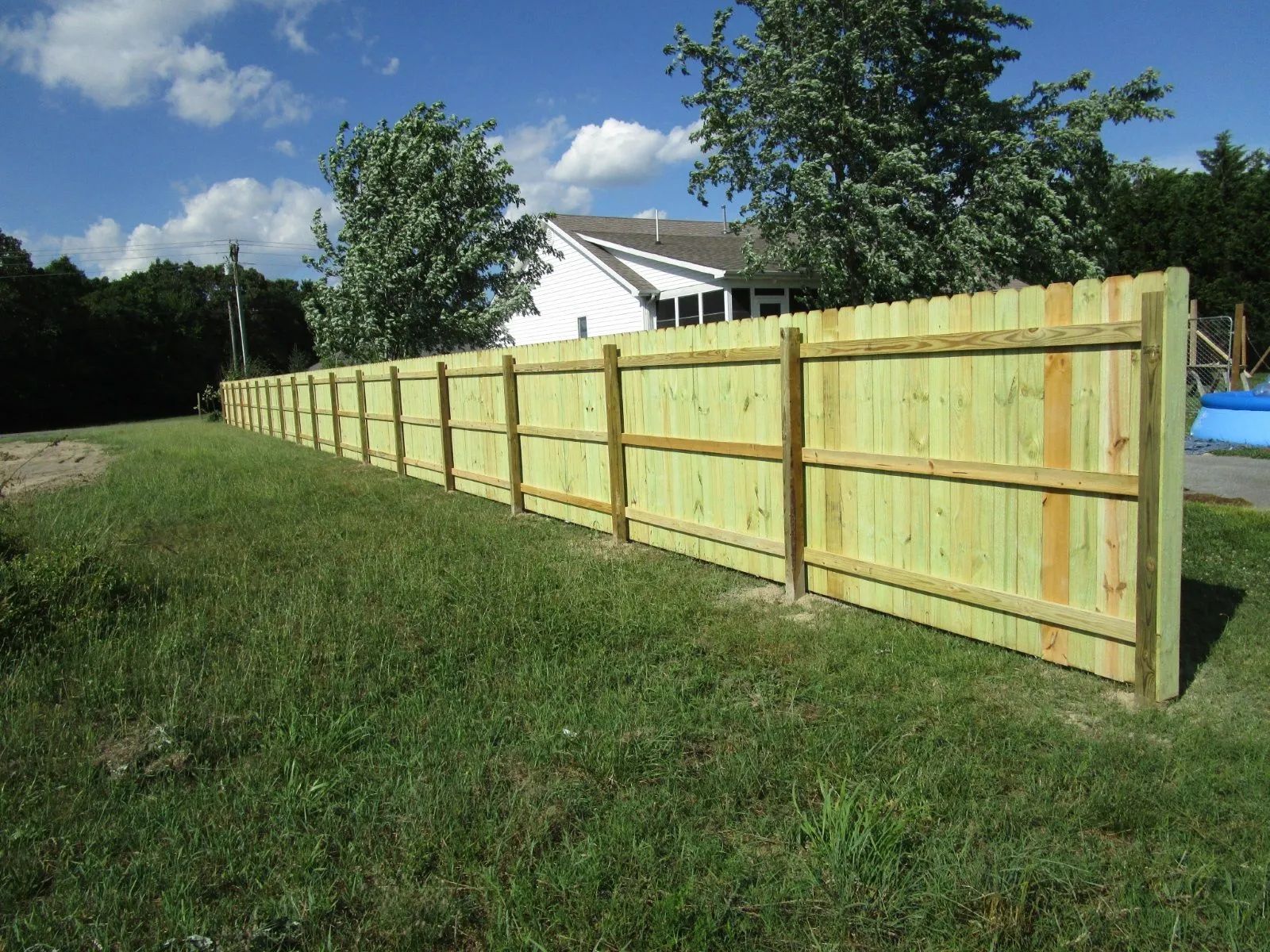
Green backyard lawn with a wooden privacy fence and trees in the background
April 21, 2026
Fence installation is more than placing posts and panels along a property line; it is a structured process that combines planning, precision, and compliance with local regulations. Whether the goal is privacy, security, pet containment, or enhancing curb appeal, understanding what happens during installation helps set realistic expectations and prevents costly mistakes. Many property owners underestimate the preparation involved, assuming the process begins and ends with physical construction. In reality, successful fencing projects depend on accurate measurements, material selection, soil conditions, and proper sequencing of work. A clear understanding of each stage allows better decision-making and smoother coordination with installation professionals. From the initial site evaluation to the final inspection, every step plays a role in ensuring durability, alignment, and long-term performance. Without proper guidance, issues such as uneven installation, boundary disputes, or premature wear can arise. This step-by-step guide breaks down the entire fence installation process in a practical and structured way, helping property owners understand what to expect at each stage. With the right approach, fence installation becomes a predictable and efficient improvement that adds both value and functionality to any residential or commercial property.
A light-colored wooden privacy fence meets a split-rail fence in a backyard, with a red-leaf tree and house in the background.
March 17, 2026
Choosing the right fencing material is one of the most important decisions for homeowners looking to enhance the security, aesthetics, and overall value of their property.
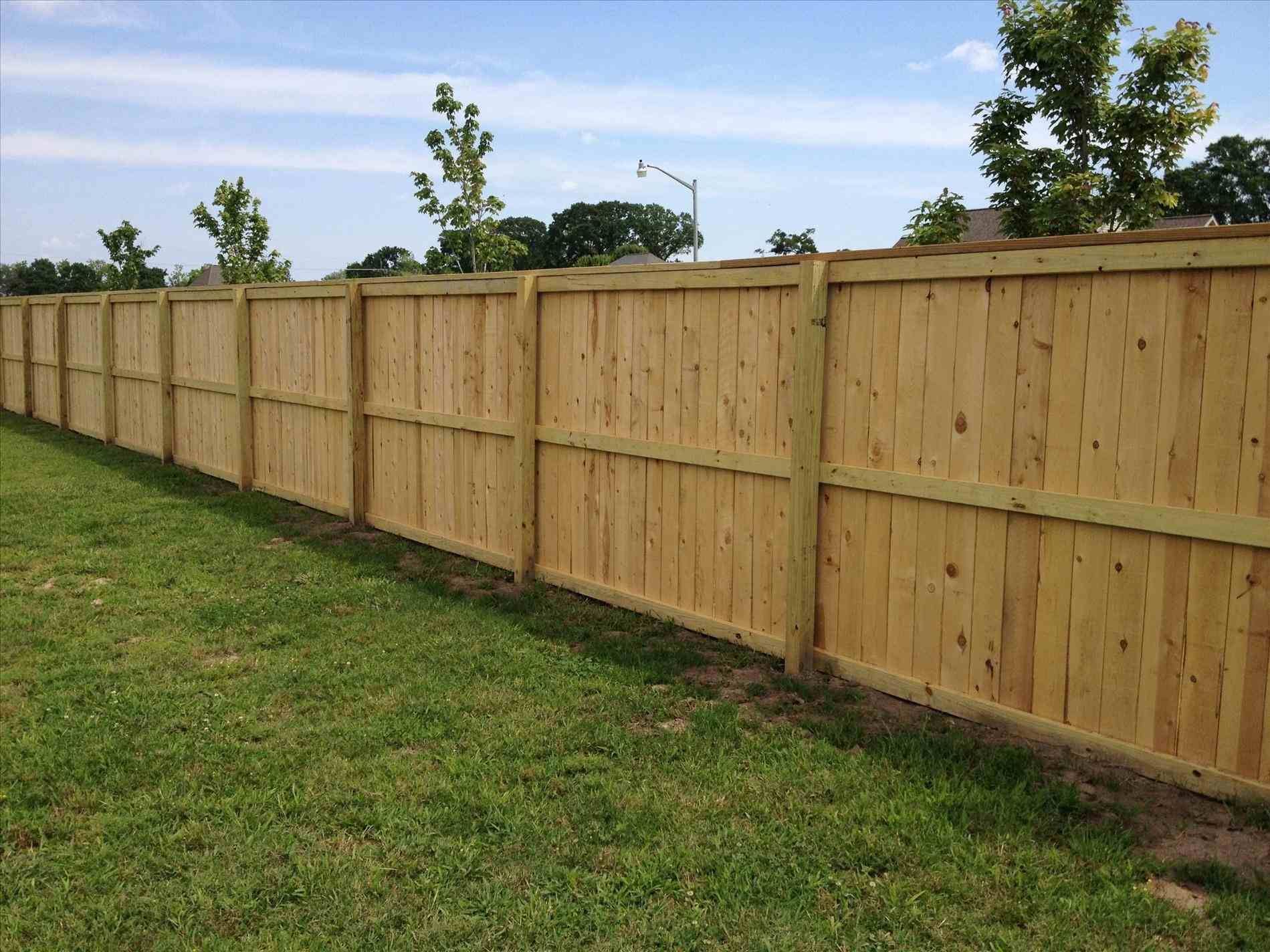
Green backyard with a newly built wooden fence, on a sunny day.
February 22, 2026
Installing a fence may seem like a straightforward home improvement project, but navigating the maze of local regulations can make it surprisingly complex. Fence regulations vary widely depending on the municipality, homeowner association (HOA) rules, and zoning laws.