Wood vs Vinyl Fence in a Freeze-Thaw Climate: Which Holds Up Longer?
Quick Answer: In a freeze-thaw climate like Bucks County, vinyl fencing generally outlasts wood, typically running 25 to 30-plus years against roughly 10 to 15 years for pressure-treated pine and 15 to 25 years for cedar that gets sealed on schedule. Vinyl does not absorb water, so it will not swell, crack, or rot at the ground line the way wood can after repeated freeze-thaw cycles. Wood costs less to install and can be repaired board by board, but it needs resealing every two to three years to hold up through winter. The material of the fence panels matters less than how the posts are set, though: both wood and vinyl fences fail early if the posts are not seated below the frost line with proper drainage.
You're standing in the fence aisle, or on a call with two quotes open on your screen, trying to pick between wood and vinyl. Both look good in the photos. Both companies swear theirs holds up better. What actually separates them once winter gets to work on your yard is worth walking through before you sign anything.
A southeastern Pennsylvania winter doesn't treat these two materials the same way at all. We install both, all over Bucks County, and each one has a real strength and a real weak spot once the ground starts freezing and thawing. Below is how wood and vinyl actually hold up against frost, moisture, and cold, and what should tip your decision one way or the other.
Incorrect Measurements Lead to Material Waste
Fence installation begins long before digging the first post hole. Accurate measurements determine how much material is required, where gates should be positioned, and how the fence aligns with property boundaries. Small measurement errors can create major problems during installation. Ordering too little material causes project delays, while ordering too much increases unnecessary expenses.
Professional fence installers use precise measuring techniques that account for slopes, corners, property lines, and elevation changes. This planning reduces waste while ensuring the fence layout remains balanced and structurally sound. Proper calculations also prevent mismatched panels, uneven spacing, and alignment problems that commonly appear in improperly planned installations.
Poor Post Installation Creates Long-Term Structural Problems
Fence posts provide the foundation for the entire structure. Improperly installed posts often shift over time due to loose soil, inadequate depth, or incorrect concrete placement. Once posts begin leaning, the entire fence can become unstable.
Professional installers understand soil conditions, frost depth requirements, drainage concerns, and spacing calculations necessary for long-term durability. Properly secured posts reduce the likelihood of sagging gates, warped panels, and structural movement. This prevents costly repairs that often arise within only a few years of poor installation.
How Freeze-Thaw Cycles Attack a Fence
A freeze-thaw climate isn't one long deep freeze. It's repeated swings above and below 32 degrees, December through February, sometimes a dozen or more cycles in a single winter. Each swing stresses a fence two different ways.
Moisture In The Material Itself
Wood is porous. It soaks up rain, snowmelt, and humidity into its grain, and when that trapped water freezes, it expands and pushes against the wood fibers from the inside out. Do that enough winters in a row and you get cracked, cupped, split boards. Vinyl panels are solid PVC. They don't absorb water into the material, so this particular failure mode simply doesn't touch them.
Ground Movement Around The Posts
This one hits both materials equally, because it has nothing to do with what the fence is made of. Water in the soil around a post freezes into ice lenses, and those lenses lift the post. When the ground thaws, the post almost never drops back to exactly where it started. Wood post, vinyl sleeve, aluminum insert inside a vinyl shell — doesn't matter. A post base sitting above the frost line heaves the same way, winter after winter.
Incorrect Measurements Lead to Material Waste
Fence installation begins long before digging the first post hole. Accurate measurements determine how much material is required, where gates should be positioned, and how the fence aligns with property boundaries. Small measurement errors can create major problems during installation. Ordering too little material causes project delays, while ordering too much increases unnecessary expenses.
Professional fence installers use precise measuring techniques that account for slopes, corners, property lines, and elevation changes. This planning reduces waste while ensuring the fence layout remains balanced and structurally sound. Proper calculations also prevent mismatched panels, uneven spacing, and alignment problems that commonly appear in improperly planned installations.
Poor Post Installation Creates Long-Term Structural Problems
Fence posts provide the foundation for the entire structure. Improperly installed posts often shift over time due to loose soil, inadequate depth, or incorrect concrete placement. Once posts begin leaning, the entire fence can become unstable.
Professional installers understand soil conditions, frost depth requirements, drainage concerns, and spacing calculations necessary for long-term durability. Properly secured posts reduce the likelihood of sagging gates, warped panels, and structural movement. This prevents costly repairs that often arise within only a few years of poor installation.
Wood in a Freeze-Thaw Climate
Wood has been the standard fence material for generations, and it earns that reputation honestly when someone treats and maintains it properly. Freeze-thaw is its toughest long-term test.
Pressure-Treated Pine
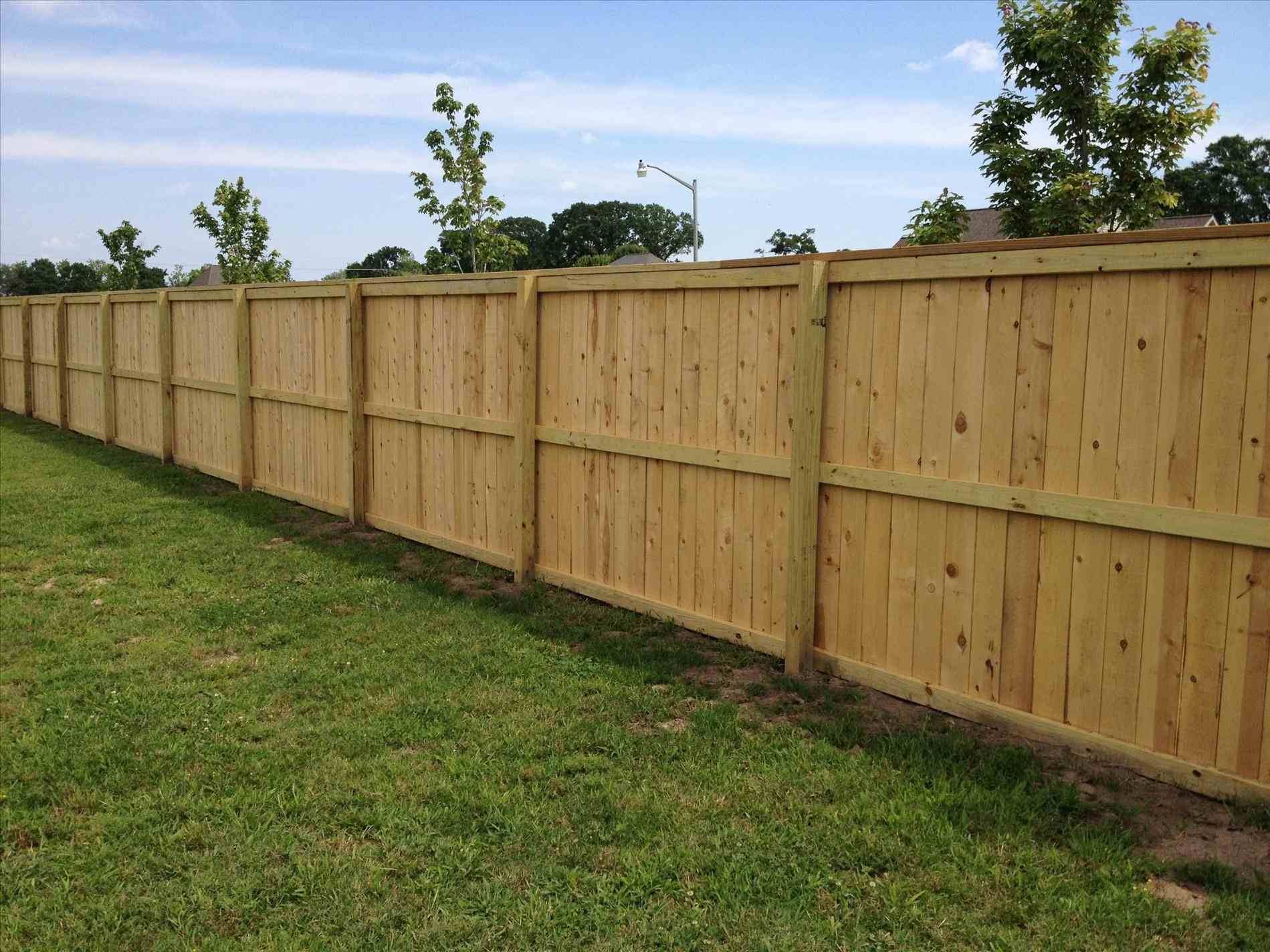
This is the budget wood option, and the one we install most often for standard privacy and picket runs. In a freeze-thaw climate, pine typically holds up 10 to 15 years before boards start softening, rails sag, or posts near the base begin to lean. The chemical treatment resists rot and insects, but it doesn't stop the wood from absorbing and releasing moisture with the seasons.
Cedar does better. It has natural oils that resist decay, and a well-sealed cedar fence can run 15 to 25 years in this climate. The gap between the low end and the high end of that range comes down almost entirely to maintenance. Skip a resealing cycle or two and cedar starts drinking in moisture faster, which shortens its working life considerably.
Where Wood Fails First
The ground line. That's where moisture lingers longest, where freeze-thaw cycling does the most damage to the fibers, and where rot typically starts. Once a post base softens at grade, the whole run above it loses its footing — even if the boards higher up still look fine.
Sealing or staining a fence every two to three years isn't cosmetic upkeep. It's what keeps water from soaking into the grain in the first place. A cedar fence sealed on that schedule can approach the top of its lifespan range. One left unsealed after year three or four tends to slide toward the bottom of it.
Incorrect Measurements Lead to Material Waste
Fence installation begins long before digging the first post hole. Accurate measurements determine how much material is required, where gates should be positioned, and how the fence aligns with property boundaries. Small measurement errors can create major problems during installation. Ordering too little material causes project delays, while ordering too much increases unnecessary expenses.
Professional fence installers use precise measuring techniques that account for slopes, corners, property lines, and elevation changes. This planning reduces waste while ensuring the fence layout remains balanced and structurally sound. Proper calculations also prevent mismatched panels, uneven spacing, and alignment problems that commonly appear in improperly planned installations.
Poor Post Installation Creates Long-Term Structural Problems
Fence posts provide the foundation for the entire structure. Improperly installed posts often shift over time due to loose soil, inadequate depth, or incorrect concrete placement. Once posts begin leaning, the entire fence can become unstable.
Professional installers understand soil conditions, frost depth requirements, drainage concerns, and spacing calculations necessary for long-term durability. Properly secured posts reduce the likelihood of sagging gates, warped panels, and structural movement. This prevents costly repairs that often arise within only a few years of poor installation.
Vinyl in a Freeze-Thaw Climate
Vinyl fencing, made from rigid PVC, was built to solve exactly the problem that wears wood down: moisture absorption. That gives it a real edge through winter, with one cold-weather trade-off worth knowing about before you buy.
No Moisture Absorption
Since vinyl panels don't soak up water, the freeze-thaw cycle that cracks and swells wood grain simply doesn't apply to the panel material. Vinyl fencing commonly runs 25 to 30-plus years in this climate — close to double what pressure-treated pine typically delivers.
Cold Does Affect Impact Resistance, Though
This is the part marketing pages tend to skip over. PVC doesn't turn dramatically brittle at typical winter temperatures, but its impact resistance does drop as the mercury falls. At around freezing, rigid PVC retains roughly 70 to 90 percent of its room-temperature strength. A hard impact — a sled, a plow, a fallen branch — is more likely to crack a vinyl panel on a 20-degree January afternoon than the same hit would be on a mild October one. This matters most during installation and near driveways or areas that see snow-clearing equipment. Less so for a panel just standing quietly in the yard through the cold months.
Tip: If you're installing vinyl fencing in late fall or winter, ask your installer about handling panels carefully in the cold. PVC's reduced flexibility at low temperatures means rough handling during installation is more likely to crack or chip a panel than the same panel simply standing in place through a cold winter.
A vinyl fence post is typically a hollow PVC sleeve, sometimes with an aluminum or wood insert for rigidity, and it goes into the ground the same way a wood post does. Vinyl's resistance to moisture doesn't exempt it from frost heave. If the post base sits above the frost line, it lifts and loosens exactly like a wood post would — the ground is what's moving, not the material.
Minimal Upkeep
Beyond an occasional rinse with a garden hose, vinyl doesn't need sealing, staining, or repainting. That's the trade for the higher upfront cost: less money and fewer weekends spent on maintenance over the life of the fence.
Incorrect Measurements Lead to Material Waste
Fence installation begins long before digging the first post hole. Accurate measurements determine how much material is required, where gates should be positioned, and how the fence aligns with property boundaries. Small measurement errors can create major problems during installation. Ordering too little material causes project delays, while ordering too much increases unnecessary expenses.
Professional fence installers use precise measuring techniques that account for slopes, corners, property lines, and elevation changes. This planning reduces waste while ensuring the fence layout remains balanced and structurally sound. Proper calculations also prevent mismatched panels, uneven spacing, and alignment problems that commonly appear in improperly planned installations.
Poor Post Installation Creates Long-Term Structural Problems
Fence posts provide the foundation for the entire structure. Improperly installed posts often shift over time due to loose soil, inadequate depth, or incorrect concrete placement. Once posts begin leaning, the entire fence can become unstable.
Professional installers understand soil conditions, frost depth requirements, drainage concerns, and spacing calculations necessary for long-term durability. Properly secured posts reduce the likelihood of sagging gates, warped panels, and structural movement. This prevents costly repairs that often arise within only a few years of poor installation.
The Post-Setting Factor That Determines Both Materials' Lifespan
Here's what gets lost in most wood-versus-vinyl comparisons: the panel material is only half the story. In our part of southeastern Pennsylvania, the ground routinely freezes down two to three feet in a hard winter. A post base sitting above that depth — wood boards or vinyl panels, doesn't matter — sits right inside the freezing zone and is vulnerable to the same ice-lens lifting that pushes any shallow post out of plumb.
Depth Below The Frost Line
The base of the post needs to sit below where the ground actually freezes on your property. Installers commonly bury roughly a third of the post's total length for stability, but that rule takes a back seat to the frost line whenever the frost line runs deeper.
Drainage At The Base
A bed of angular crushed stone under the post gives water somewhere to go instead of pooling and feeding the ice lenses that cause heave. That helps wood posts resist rot at the base, and it helps any post — wood or vinyl — resist the lifting itself.
A cedar fence with posts set correctly below the frost line will often outlast a vinyl fence with posts set too shallow, even though vinyl panels resist moisture better on paper. Installation quality at the posts matters as much as the material above ground. Sometimes more.
Warning: Skipping proper post depth to save time or cost undermines either material equally. A vinyl fence with posts set only a foot or two down will heave and loosen within a couple of winters just as readily as a wood fence with the same shallow footing, no matter how well the panels themselves resist moisture.
Incorrect Measurements Lead to Material Waste
Fence installation begins long before digging the first post hole. Accurate measurements determine how much material is required, where gates should be positioned, and how the fence aligns with property boundaries. Small measurement errors can create major problems during installation. Ordering too little material causes project delays, while ordering too much increases unnecessary expenses.
Professional fence installers use precise measuring techniques that account for slopes, corners, property lines, and elevation changes. This planning reduces waste while ensuring the fence layout remains balanced and structurally sound. Proper calculations also prevent mismatched panels, uneven spacing, and alignment problems that commonly appear in improperly planned installations.
Poor Post Installation Creates Long-Term Structural Problems
Fence posts provide the foundation for the entire structure. Improperly installed posts often shift over time due to loose soil, inadequate depth, or incorrect concrete placement. Once posts begin leaning, the entire fence can become unstable.
Professional installers understand soil conditions, frost depth requirements, drainage concerns, and spacing calculations necessary for long-term durability. Properly secured posts reduce the likelihood of sagging gates, warped panels, and structural movement. This prevents costly repairs that often arise within only a few years of poor installation.
Which Material Actually Fits Your Situation
Staying in the home long-term? Vinyl's longer lifespan and near-zero maintenance typically make it the better freeze-thaw investment over 15 to 20 years. You skip the resealing cycles and the cracking or warping that shows up when wood maintenance slips.
Upfront cost matters more right now? Wood installs for less, and pressure-treated pine or cedar remain solid choices as long as you commit to the sealing schedule. A wood fence with disciplined upkeep performs well through plenty of winters.
Want the grain and texture of real wood? Vinyl can't fully copy that look. Cedar has a warmth to it that PVC panels don't match, and for some homeowners that visual preference outweighs the maintenance tradeoff entirely.
If your yard sees heavy snow-clearing equipment near the fence line, wood tolerates an incidental bump better in cold weather than vinyl does, since PVC's impact resistance drops at winter temperatures. Worth discussing fence placement relative to driveways and plow paths regardless of which material you pick.
Frequently Asked Questions
Does a vinyl fence crack in cold weather?
Vinyl fencing handles winter well, but cold temperatures reduce impact resistance. At freezing temperatures, rigid PVC becomes more brittle, making hard impacts more likely to cause cracks. Normal winter exposure alone generally causes no problems.
Do wood fence posts rot faster than vinyl posts in a freeze-thaw climate?
Yes. Wood absorbs moisture and can deteriorate around the ground line during repeated freeze-thaw cycles. Vinyl posts resist moisture and don't rot, though improper installation can still cause frost-related movement.
Is vinyl fencing worth the higher upfront cost in a cold climate?
For long-term homeowners, vinyl can justify its higher upfront cost through a 25-to-30-plus-year lifespan and minimal maintenance. Wood requires regular sealing and staining, increasing costs over time.
Can a wood fence last as long as vinyl if I maintain it well?
A properly maintained cedar fence can approach 25 years, narrowing vinyl's lifespan advantage. However, wood requires consistent resealing every two to three years, while vinyl needs very little routine maintenance.
Does frost heave affect vinyl fence posts the same way it affects wood posts?
Yes. Frost heave affects the ground and can lift either material when posts aren't installed deeply enough. Setting posts below the frost line with proper drainage helps prevent repeated winter movement and loosening.
What is the actual frost line depth in Bucks County for setting fence posts?
Frost depth in southeastern Pennsylvania can reach two to three feet during severe winters. Fence posts should extend below the local frost line, with installers considering your property's soil conditions before determining final installation depth.
Incorrect Measurements Lead to Material Waste
Fence installation begins long before digging the first post hole. Accurate measurements determine how much material is required, where gates should be positioned, and how the fence aligns with property boundaries. Small measurement errors can create major problems during installation. Ordering too little material causes project delays, while ordering too much increases unnecessary expenses.
Professional fence installers use precise measuring techniques that account for slopes, corners, property lines, and elevation changes. This planning reduces waste while ensuring the fence layout remains balanced and structurally sound. Proper calculations also prevent mismatched panels, uneven spacing, and alignment problems that commonly appear in improperly planned installations.
Poor Post Installation Creates Long-Term Structural Problems
Fence posts provide the foundation for the entire structure. Improperly installed posts often shift over time due to loose soil, inadequate depth, or incorrect concrete placement. Once posts begin leaning, the entire fence can become unstable.
Professional installers understand soil conditions, frost depth requirements, drainage concerns, and spacing calculations necessary for long-term durability. Properly secured posts reduce the likelihood of sagging gates, warped panels, and structural movement. This prevents costly repairs that often arise within only a few years of poor installation.
The Right Fence Material for Bucks County Winters
Wood and vinyl each handle Bucks County winters differently. Wood can deliver a warm, traditional appearance and lower upfront cost, but it needs regular sealing to keep moisture from working into the grain. Vinyl costs more initially, yet its resistance to water absorption and rot gives it a longer service life with far less maintenance. For homeowners in Doylestown, PA, the better choice ultimately depends on how long you plan to stay, your maintenance expectations, and the look you want.
Regardless of the material, installation quality remains critical in a freeze-thaw climate. Steve's Fence and Railing
brings 24
years of fencing experience to Doylestown, PA, with a focus on proper post depth and drainage. A well-installed fence can withstand repeated winter ground movement far better than one installed too shallow, making the foundation beneath the fence just as important as the material above it.