Step-by-Step Guide: What to Expect During Fence Installation
Fence installation is more than placing posts and panels along a property line; it is a structured process that combines planning, precision, and compliance with local regulations. Whether the goal is privacy, security, pet containment, or enhancing curb appeal, understanding what happens during installation helps set realistic expectations and prevents costly mistakes. Many property owners underestimate the preparation involved, assuming the process begins and ends with physical construction. In reality, successful fencing projects depend on accurate measurements, material selection, soil conditions, and proper sequencing of work.
A clear understanding of each stage allows better decision-making and smoother coordination with installation professionals. From the initial site evaluation to the final inspection, every step plays a role in ensuring durability, alignment, and long-term performance. Without proper guidance, issues such as uneven installation, boundary disputes, or premature wear can arise. This step-by-step guide breaks down the entire fence installation process in a practical and structured way, helping property owners understand what to expect at each stage. With the right approach, fence installation becomes a predictable and efficient improvement that adds both value and functionality to any residential or commercial property.
1. Planning and Property Evaluation Stage
Understanding Property Boundaries
Before any physical work begins, accurate boundary identification is essential. We ensure fencing aligns precisely within legal property lines to prevent disputes. Reviewing land records, survey maps, or existing markers helps confirm correct placement. Even minor miscalculations can lead to costly adjustments later during reconstruction or redesign phases, impacting overall project timelines, material usage, and installation accuracy across the entire fencing layout process with careful professional oversight and planning execution quality assurance.
Site Conditions and Ground Assessment
Soil type, slope, drainage, and underground utilities significantly influence installation decisions. Rocky or clay-heavy soil may require deeper digging or reinforced posts. Uneven terrain requires leveling strategies to maintain uniform height and alignment throughout the fence line, ensuring structural balance and long-term durability under varying environmental conditions, moisture exposure, and seasonal ground movement affecting stability and overall performance consistency over time while maintaining professional installation standards and engineering accuracy throughout process execution.
Defining Purpose and Design Goals
Every fencing project begins with a clear objective. Whether the focus is privacy, security, or aesthetics, defining purpose helps determine height, spacing, and structure type. This stage ensures that functional needs align with visual expectations and budget considerations, resulting in a balanced design approach that supports long-term usability, property enhancement, and practical installation outcomes suited to specific site requirements and homeowner expectations while ensuring compliance and professional installation precision standards consistently maintained.
2. Permits, Regulations, and Material Selection
Local Compliance and Permit Requirements
Most regions require permits before fence installation begins. We evaluate zoning laws, height restrictions, and setback rules to ensure compliance. Skipping this step can result in penalties or mandatory removal of non-compliant structures, leading to financial losses, project delays, and legal complications that could significantly impact overall construction timelines and property development approvals within regulated municipal frameworks and governing authority standards while maintaining adherence to local construction and safety regulations consistently enforced.
Selecting the Right Fence Materials
Material selection impacts durability, maintenance, and appearance. Options typically include wood, vinyl, aluminum, and chain-link. Each material serves different environmental and functional needs. For example, wood offers a natural look but requires maintenance, while vinyl provides low-maintenance durability suitable for long-term outdoor exposure and varying weather conditions across residential and commercial property installations ensuring balanced performance, aesthetic value, cost efficiency, and long-term structural reliability under diverse site conditions and durability assurance standards.
Budget Planning and Cost Transparency
We establish a clear budget based on materials, labor, and site complexity. Transparent planning helps avoid unexpected expenses during installation. Factoring in long-term maintenance costs ensures a more accurate financial outlook for the entire project lifecycle and prevents overspending while supporting informed decision-making throughout each phase of construction and material selection processes while promoting efficiency, accountability, strategic planning, and cost-effective execution across all installation stages for optimal project outcomes achieved consistently.
3. Pre-Installation Preparation Work
Marking Layout and Digging Points
Once planning is complete, the installation layout is marked using stakes and string lines. This visual guide ensures straight alignment and consistent spacing. Post-hole locations are marked with precision to maintain structural balance, reducing installation errors and ensuring accurate placement that supports overall fence strength, alignment integrity, and long-term performance across varying terrain conditions during construction execution phases.
Utility Location and Safety Checks
Before digging begins, underground utility lines must be identified. Electrical, gas, and water lines can pose serious hazards if disturbed. Safety verification ensures that installation proceeds without risk to infrastructure or personnel, preventing costly damage, delays, and operational disruptions while maintaining strict safety protocols throughout the entire preparation and excavation process for reliable and secure installation outcomes.
Ground Clearing and Surface Preparation
Vegetation, debris, and obstacles are cleared to create a stable working area. In some cases, grading is required to level uneven ground. Proper preparation at this stage directly affects installation accuracy and long-term stability, ensuring consistent foundation support, improved structural alignment, and reduced complications during post-installation evaluation and finishing processes across the fencing project site.
4. Fence Installation Process Step-by-Step
Setting Posts for Structural Integrity
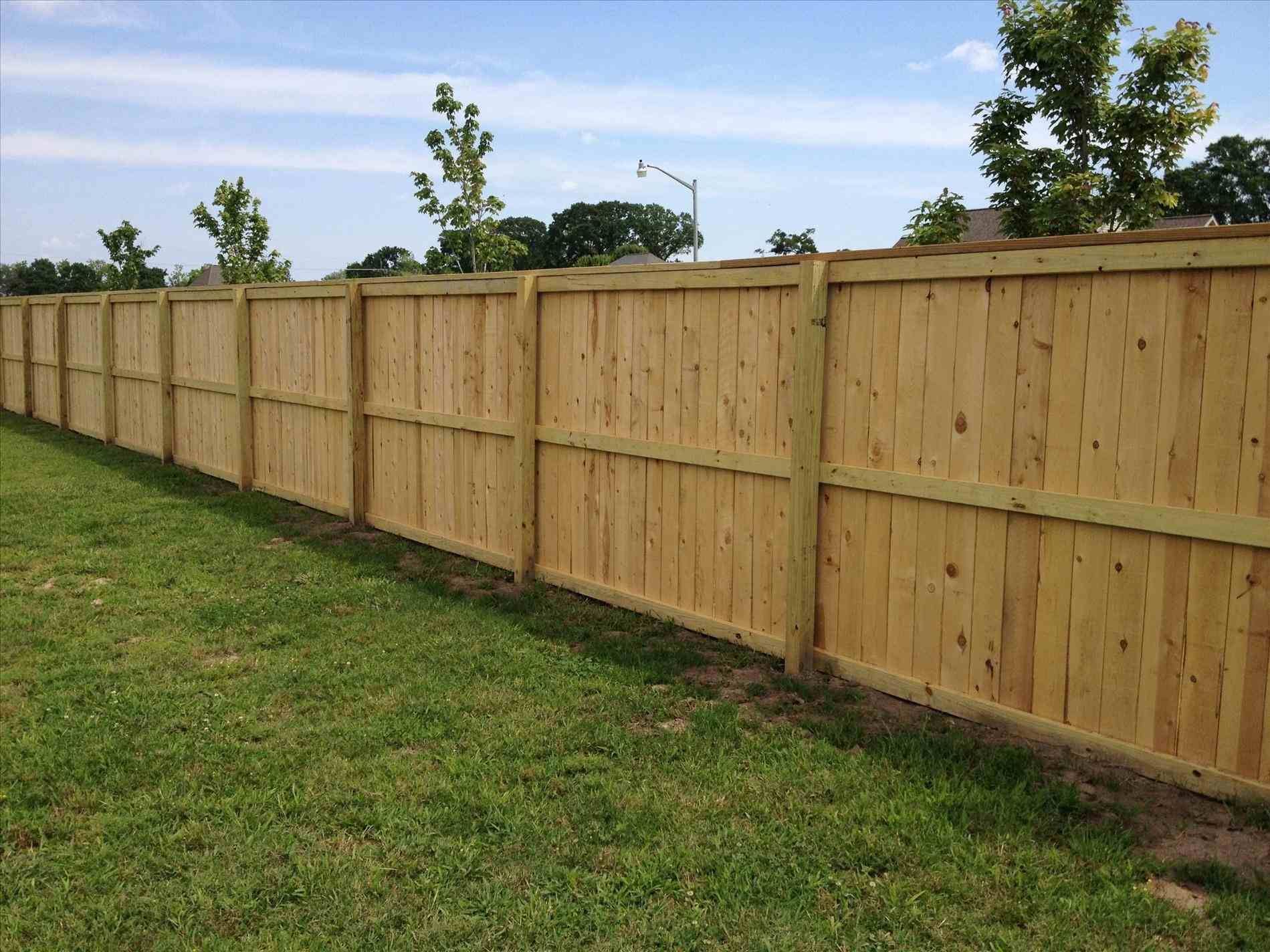
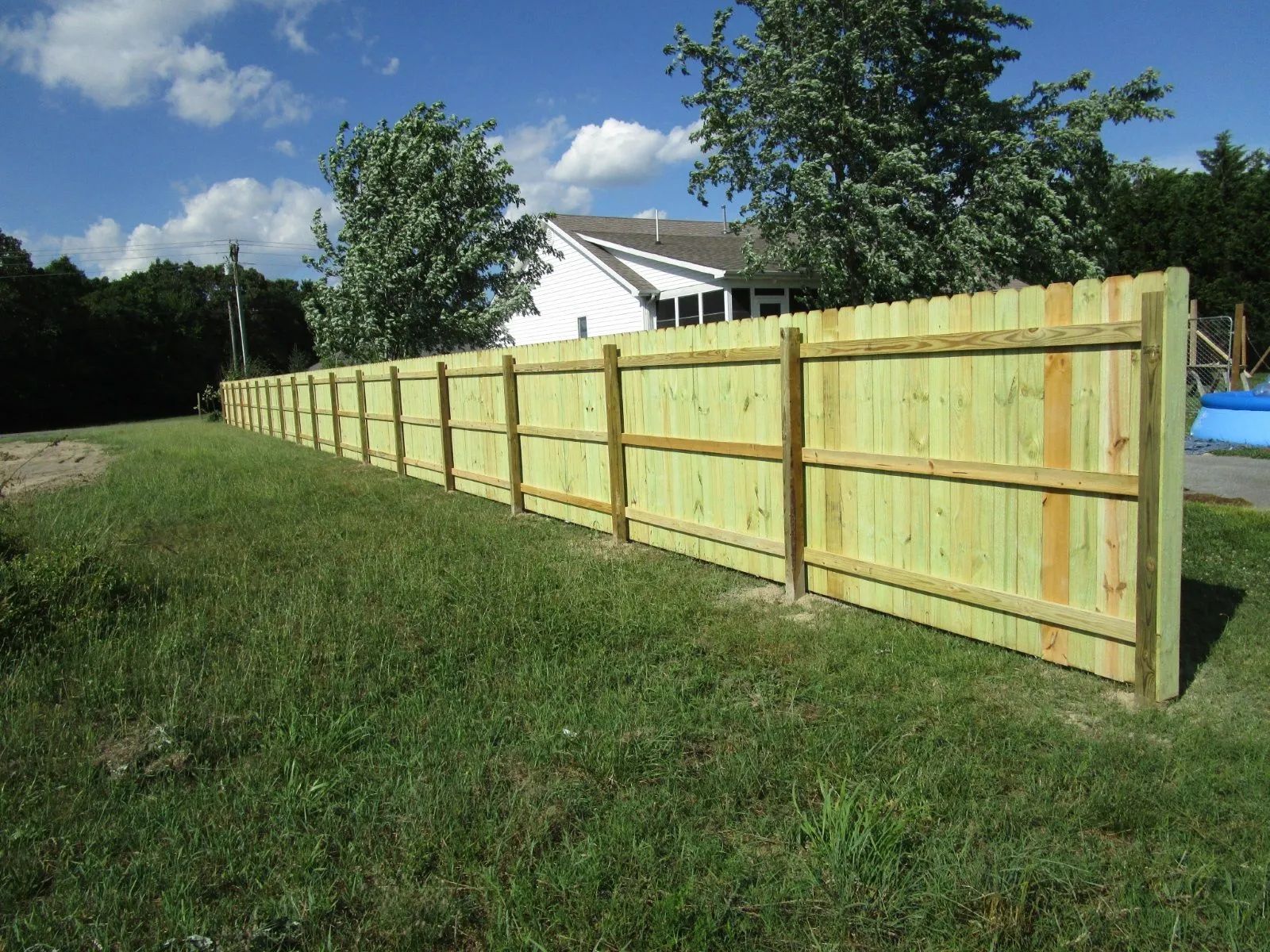
Fence posts form the foundation of the entire structure. Holes are dug to appropriate depth based on fence height and soil conditions. Posts are then secured using concrete or compacted gravel to ensure stability and resistance to shifting, creating a strong base that supports long-term durability, alignment accuracy, and structural performance under varying environmental stress conditions.
Aligning and Securing Framework
Once posts are set, rails and support structures are attached. Alignment is checked continuously to ensure uniform height and straight lines. Even slight deviations at this stage can affect the entire fence appearance and durability, making precision essential for structural consistency, load distribution balance, and long-term installation reliability across all connected fencing sections and joints.
Installing Panels or Fence Sections
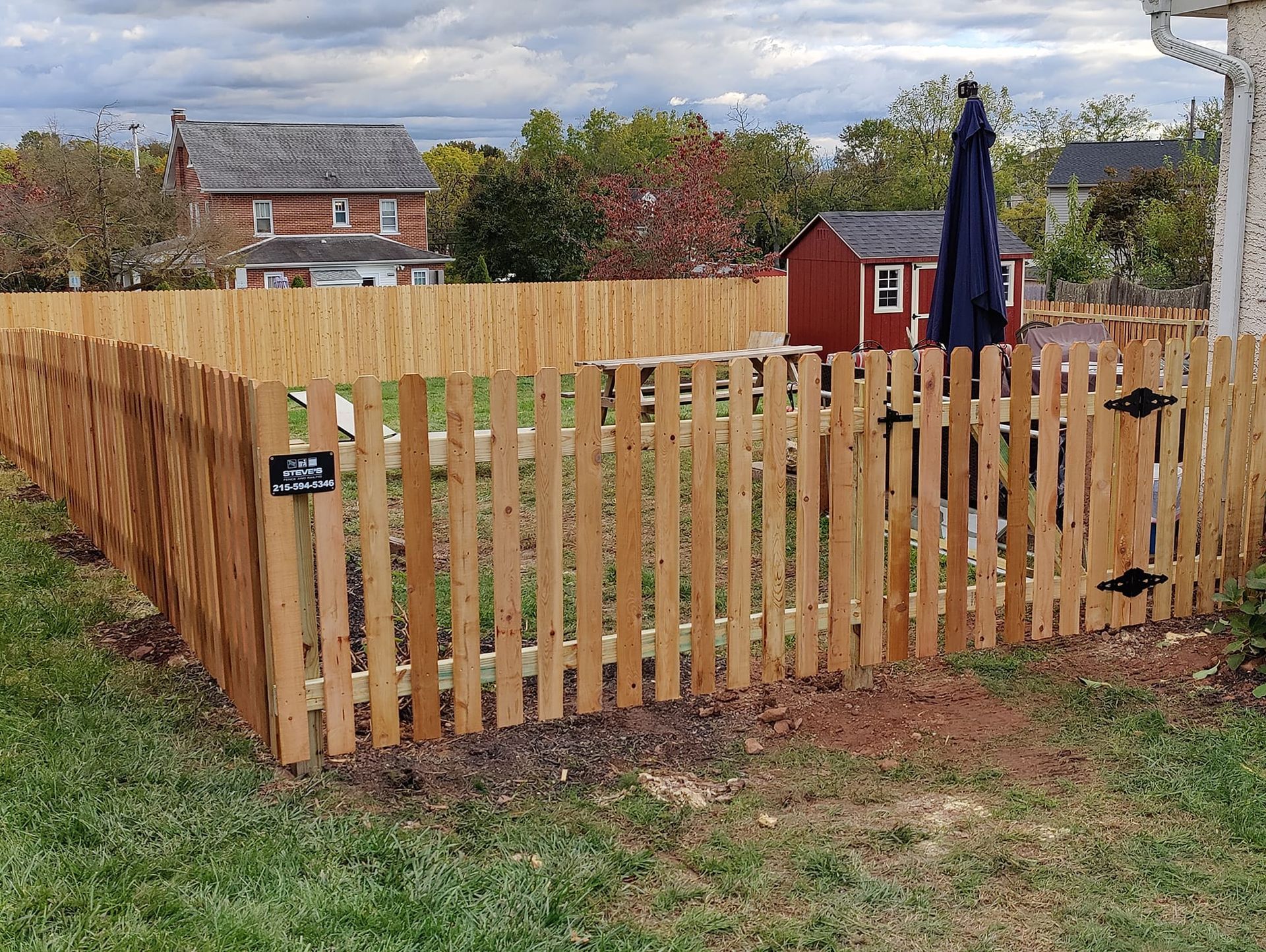
Panels, pickets, or mesh materials are installed depending on design type. Each section is secured firmly to maintain consistent spacing and structural strength. Proper fastening techniques reduce long-term loosening or sagging, ensuring stable performance, improved resistance to external pressure, and consistent visual alignment across the entire fence structure under varying environmental exposure conditions.
Gate Installation and Functional Testing
Gates require additional precision for smooth operation. Hinges, latches, and locking mechanisms are installed and tested multiple times. Proper alignment ensures easy opening and closing without friction or misalignment, enhancing usability, durability, and security performance while maintaining structural balance and consistent operational efficiency across daily usage conditions and environmental influences affecting gate movement.
Final Adjustments During Installation
Minor adjustments are made to correct alignment, spacing, and tension. This ensures the fence meets both structural and visual standards before the project moves into finishing stages, improving overall precision, stability, and aesthetic consistency while eliminating installation irregularities that may affect long-term performance, durability, and customer satisfaction outcomes after project completion.
5. Post-Installation Inspection and Maintenance Guidance
Quality Inspection and Structural Review
After installation, a detailed inspection is conducted to evaluate alignment, stability, and fastening quality. We verify that all components meet durability and safety expectations. Any inconsistencies are corrected immediately to ensure structural integrity, long-term reliability, and compliance with installation standards across the entire fencing system before final approval and client handover procedures are completed successfully while ensuring precision workmanship, regulatory compliance, and professional quality assurance standards throughout completion process verification checks final.
Cleanup and Site Restoration
The installation area is cleaned of debris, excess materials, and construction waste. Restoring the site ensures a professional finish and leaves the property in usable condition immediately after project completion, enhancing overall presentation, safety, and visual appeal for occupants and surrounding environments within residential or commercial property boundaries while maintaining cleanliness standards, environmental responsibility, and professional site restoration practices for long-term property value enhancement execution quality control measures implemented.
Long-Term Maintenance Practices
Proper maintenance extends fence lifespan significantly. Regular inspections for damage, loose fittings, or weather impact help preserve structural integrity. Different materials require different care routines, such as sealing wood or cleaning vinyl surfaces to maintain durability, appearance, and long-term performance under varying environmental conditions while ensuring preventive care, material protection, and consistent performance optimization through structured maintenance planning and execution for extended service longevity assurance results achieved.
Seasonal Considerations for Durability
Weather changes can affect fence performance over time. Expansion, contraction, and moisture exposure should be monitored seasonally. Preventive care reduces repair costs and maintains visual appeal year-round while ensuring structural resilience against temperature fluctuations, humidity changes, and long-term environmental stress factors affecting outdoor installations and material stability while supporting proactive maintenance strategies, durability enhancement practices, and long-term performance reliability under diverse climate conditions and usage demands implementation consistency and monitoring systems.
Trusted Installation Planning Backed By Steve's Fence Railing
Fence installation is a structured process that depends on careful planning, accurate execution, and consistent quality checks. From evaluating property boundaries to selecting materials and completing final inspections, each stage contributes to a durable and functional result. Understanding this process helps property owners make informed decisions and avoid unnecessary complications during installation. A well-executed fence not only enhances security and privacy but also improves overall property value and visual appeal.
Steve's Fence and Railing
operates as a trusted fence contractor based in Doylestown, Pennsylvania, backed by 24
years of industry experience. This extensive background allows consistent delivery of fencing solutions that balance functionality, safety, and design. Every project is handled with a commitment to precision and reliability, ensuring that installation standards remain high from start to finish. The focus remains on providing fencing systems that enhance property value while maintaining structural integrity in all conditions.