How Professional Fence Installation Saves You Time and Money?
Fencing serves a much larger purpose than simply marking property boundaries. A professionally installed fence improves privacy, strengthens security, enhances curb appeal, and increases long-term property value for both residential and commercial spaces. Property owners often view fence installation as a straightforward project, but the reality involves far more than selecting materials and placing posts into the ground. Proper fence installation requires accurate measurements, knowledge of local regulations, material expertise, grading considerations, structural planning, and precision workmanship. Mistakes made during installation can lead to leaning panels, premature damage, drainage problems, ongoing repairs, and expensive replacements that consume both time and money over the years.
As fencing materials, property layouts, and municipal requirements continue to evolve, professional fence installation has become an important investment rather than a simple construction task. Many homeowners initially consider handling installation independently to reduce upfront costs, only to encounter hidden expenses tied to incorrect measurements, improper post placement, permit issues, and material waste. Professional installation eliminates many of these risks while helping property owners avoid delays, unnecessary repairs, and long-term maintenance concerns. Understanding how professional fence installation contributes to cost savings and project efficiency helps property owners make informed decisions that protect both their investment and the long-term functionality of the property.
Avoiding Expensive Installation Mistakes
Incorrect Measurements Lead to Material Waste
Fence installation begins long before digging the first post hole. Accurate measurements determine how much material is required, where gates should be positioned, and how the fence aligns with property boundaries. Small measurement errors can create major problems during installation. Ordering too little material causes project delays, while ordering too much increases unnecessary expenses.
Professional fence installers use precise measuring techniques that account for slopes, corners, property lines, and elevation changes. This planning reduces waste while ensuring the fence layout remains balanced and structurally sound. Proper calculations also prevent mismatched panels, uneven spacing, and alignment problems that commonly appear in improperly planned installations.
Poor Post Installation Creates Long-Term Structural Problems
Fence posts provide the foundation for the entire structure. Improperly installed posts often shift over time due to loose soil, inadequate depth, or incorrect concrete placement. Once posts begin leaning, the entire fence can become unstable.
Professional installers understand soil conditions, frost depth requirements, drainage concerns, and spacing calculations necessary for long-term durability. Properly secured posts reduce the likelihood of sagging gates, warped panels, and structural movement. This prevents costly repairs that often arise within only a few years of poor installation.
Misaligned Fencing Reduces Property Value
An uneven or poorly aligned fence immediately affects the appearance of a property. Crooked panels, inconsistent spacing, and visible installation flaws can negatively impact curb appeal and create the impression of neglected maintenance.
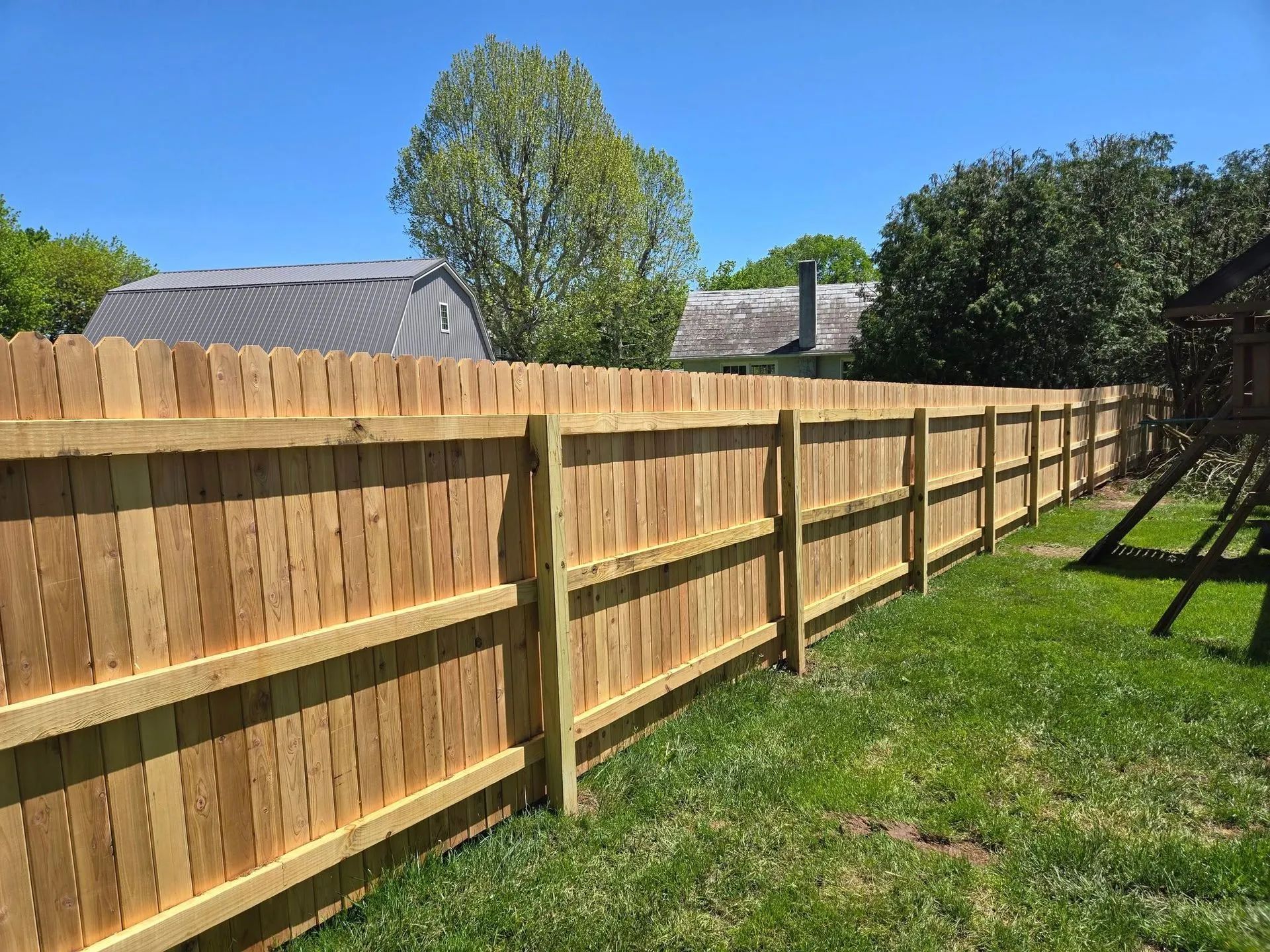
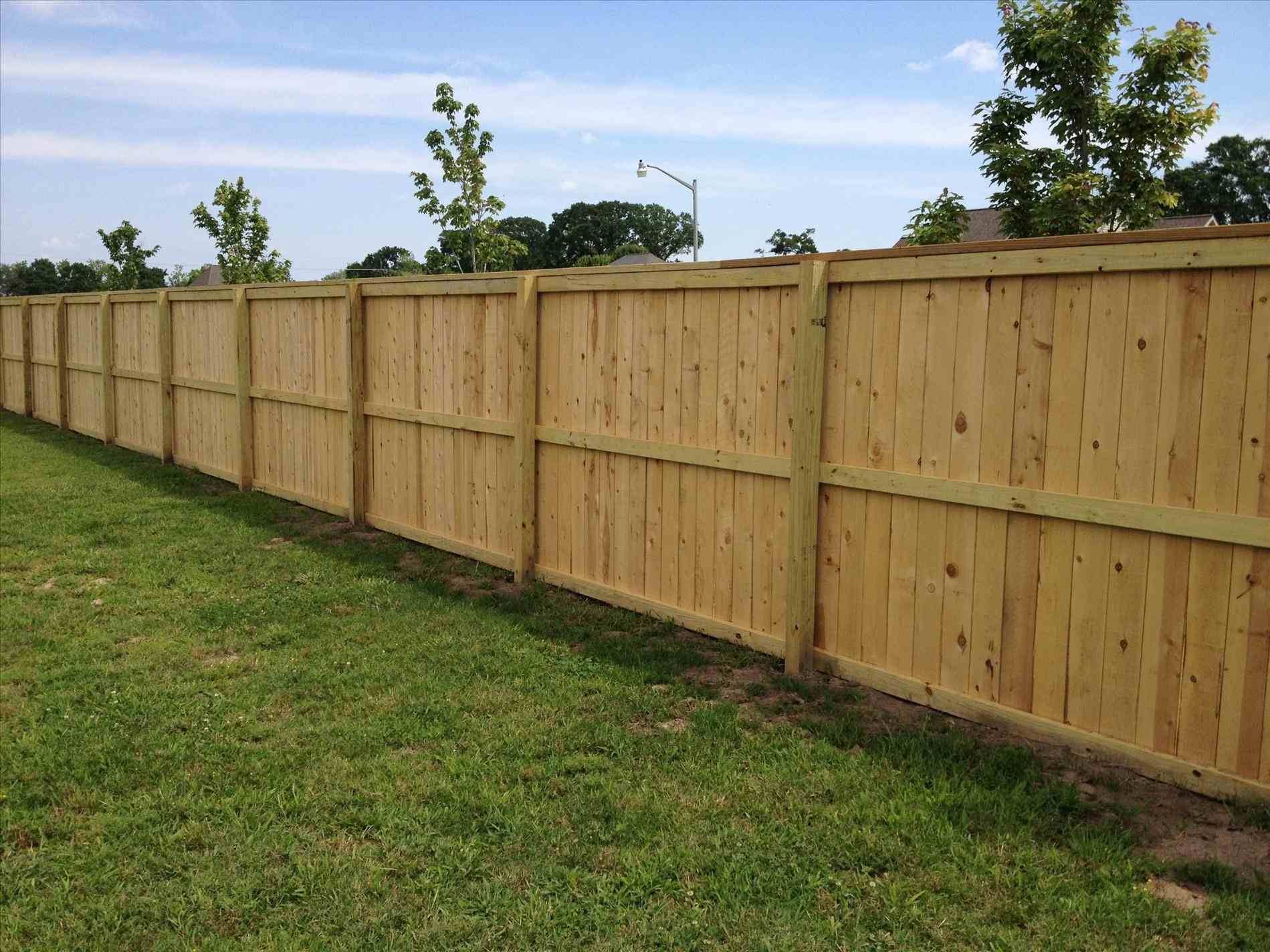
Professional installation focuses on symmetry, alignment, and clean finishing details that contribute to a polished appearance. A properly installed fence complements landscaping and architecture while supporting property value over the long term.
Saving Time Through Professional Project Management
Faster Completion Without Trial-and-Error Delays
Fence installation involves multiple stages, including site preparation, measurements, permitting, material delivery, digging, leveling, post setting, and final assembly. Property owners attempting DIY installation often underestimate the time required for each phase.
Professional installers follow established processes that streamline the project from beginning to end. Access to specialized equipment, experienced crews, and efficient workflows allows projects to move forward without unnecessary interruptions. What may take an inexperienced homeowner several weekends can often be completed professionally within a much shorter timeframe.
Efficient Material Handling and Equipment Usage
Fence installation requires tools and equipment that many property owners do not already own. Augers, post-hole diggers, concrete mixers, grading tools, laser levels, and cutting equipment all contribute to proper installation. Renting or purchasing equipment increases project costs while adding logistical challenges.
Professional installers arrive fully equipped with the necessary tools and machinery. This eliminates the need for homeowners to coordinate rentals, transport equipment, or learn unfamiliar installation techniques. Professional crews also understand how to work efficiently around landscaping, utility lines, and property obstacles.
Reducing Permit and Compliance Delays
Many municipalities regulate fence height, placement, material types, and setback requirements. Homeowners unfamiliar with local regulations may encounter permit rejections, inspection failures, or code violations that delay the project.
Professional fence contractors understand local installation requirements and permitting processes. Proper planning helps avoid costly modifications or legal disputes after installation begins. Compliance knowledge saves time while reducing the risk of fines or mandatory fence removal.
Lower Long-Term Maintenance and Repair Costs
Proper Installation Extends Fence Lifespan
A fence represents a long-term investment, and installation quality directly impacts how long the structure lasts. Improper spacing, poor anchoring, and incorrect fastener usage can shorten fence lifespan significantly.
Professional installation methods help materials perform as intended under changing weather conditions, moisture exposure, and seasonal expansion. Proper construction reduces the risk of premature deterioration and lowers future maintenance expenses.
For example, wood fencing installed too close to soil may absorb moisture and rot earlier than expected. Metal fencing without proper protective coatings may corrode faster in wet environments. Vinyl fencing installed without expansion allowances may crack or warp during temperature fluctuations. Professional installers understand these material-specific requirements and adjust installation methods accordingly.
Preventing Drainage and Soil Problems
Fence installation can unintentionally interfere with water flow across a property. Poor placement or incorrect grading may trap moisture near fence posts, weaken soil stability, or contribute to erosion problems.
Professional fence installers evaluate drainage patterns before installation begins. Proper planning helps prevent water accumulation that could damage the fence or surrounding landscaping. This attention to site conditions reduces the likelihood of future repairs related to shifting soil or moisture damage.
Minimizing Frequent Repairs
Many fence repairs stem from preventable installation issues rather than material failure. Loose hardware, sagging gates, uneven panels, and unstable posts often result from shortcuts taken during the original installation.
Professional installation focuses on structural integrity from the start. Strong foundations, accurate alignment, and proper fastening systems reduce wear over time. This lowers the frequency of repairs and helps property owners avoid recurring maintenance costs.
Improving Property Security and Functionality
Stronger Security Through Proper Construction
Fences often serve as an important security feature for homes, businesses, pools, and outdoor storage areas. A poorly installed fence may contain weak points that compromise protection and reduce reliability.
Professional fence installation strengthens security by ensuring posts remain stable, gates close properly, and panels resist movement. Secure installation helps prevent gaps, loose sections, and structural weaknesses that intruders or severe weather could exploit.
Commercial properties especially benefit from professional installation because security fencing often protects equipment, inventory, and restricted access areas. Proper installation improves reliability while reducing liability concerns.
Better Gate Performance and Accessibility
Gates experience more movement and stress than any other part of a fence system. Improperly installed gates often sag, drag against the ground, or fail to latch correctly.
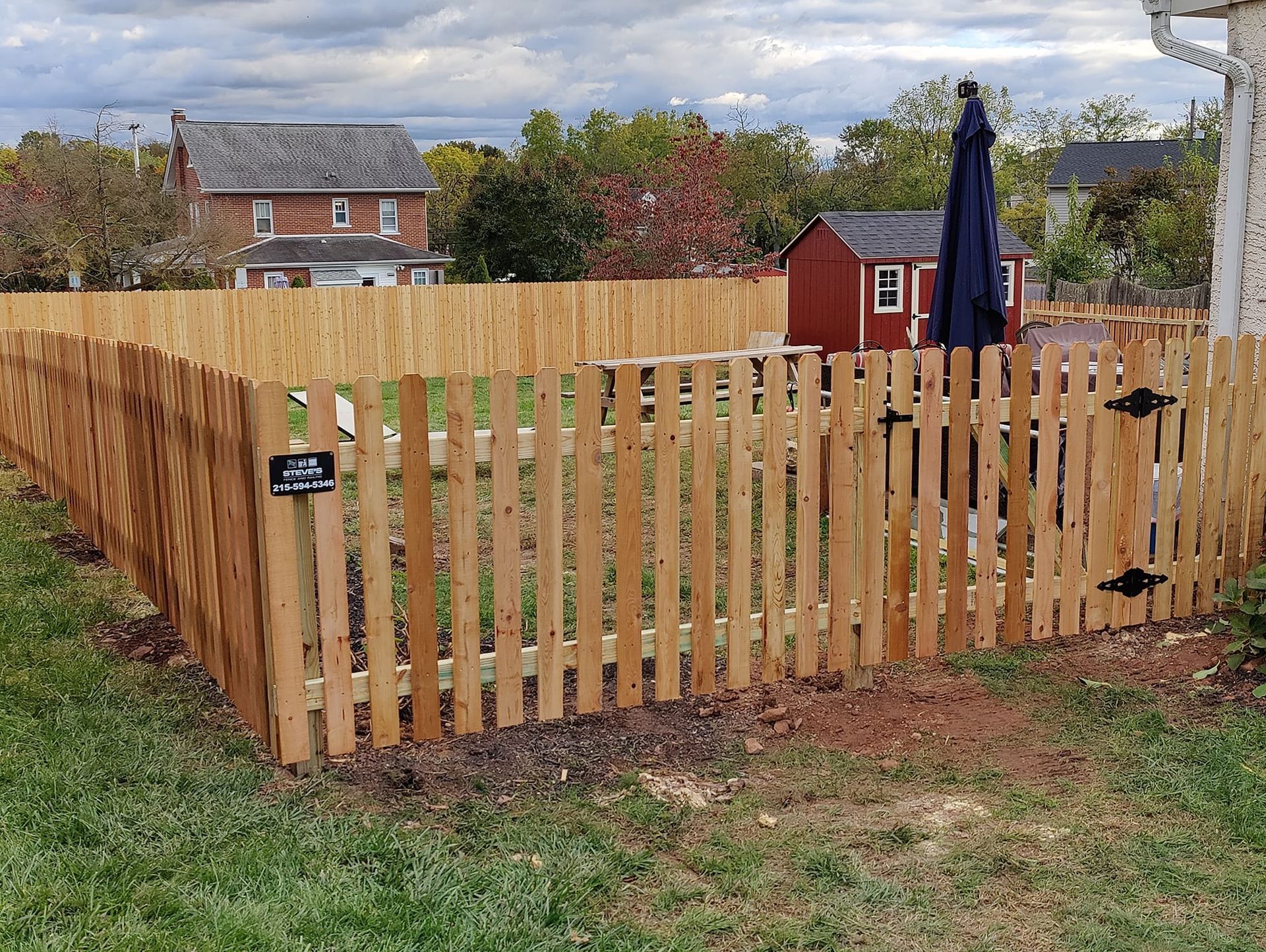
Professional installation ensures gates are supported properly and aligned with surrounding fence sections. Accurate placement improves daily functionality while reducing wear on hinges and hardware. This attention to detail helps gates operate smoothly for many years without constant adjustments.
Custom Solutions for Property Challenges
No two properties share identical layouts. Sloped terrain, landscaping features, retaining walls, utility lines, and drainage systems all influence fence design and installation requirements.
Professional fence contractors evaluate these conditions before construction begins. Customized installation strategies help the fence integrate naturally with the property while maintaining structural performance. This planning prevents costly modifications later and improves overall usability.
Why Professional Expertise Matters Throughout the Process
Experience Reduces Unexpected Problems
Fence installation projects rarely proceed exactly as expected. Underground obstacles, grading challenges, hidden utility lines, and soil inconsistencies can create complications during construction.
Professional fence contractors rely on installation experience to identify and address these issues quickly. Their ability to adapt reduces delays while protecting the project budget and timeline.
Safety Risks Are Better Managed
Fence installation involves digging equipment, power tools, heavy materials, and underground utility considerations. Inexperienced installation increases the risk of injury and property damage.
Professional installers follow established safety procedures while using proper equipment and protective methods. This lowers the likelihood of accidents and helps projects move forward safely.
Reliable Workmanship Supports Peace of Mind
Property owners benefit from knowing the installation has been completed according to professional standards. Reliable workmanship reduces uncertainty while helping avoid future structural concerns.
Professional fence installation combines planning, material expertise, structural knowledge, and precise execution to deliver long-term value. Rather than focusing only on initial installation costs, property owners should consider the broader financial and practical benefits associated with quality construction.
Dedicated Fence Professionals Providing Long-Term Installation Value
Professional fence installation provides far more than visual improvement. It saves time through organized project management, reduces costly mistakes, minimizes long-term maintenance expenses, and strengthens the overall functionality of the property. Proper installation also improves security, supports property value, and helps fencing materials perform at their full potential for many years. While DIY projects may appear less expensive initially, improper installation often creates hidden costs tied to repairs, replacements, delays, and structural issues that outweigh short-term savings.
At the end of the project, property owners benefit most from choosing experienced professionals who understand every stage of the installation process. Steve's Fence and Railing
continues to provide dependable fencing solutions backed by 24
years of industry experience in Doylestown, Pennsylvania. As a trusted fence contractor, we focus on delivering durable craftsmanship, accurate installation methods, and long-term value tailored to each property’s needs. Our experience allows us to guide property owners toward fencing solutions that protect investments while improving appearance, functionality, and peace of mind for years ahead.