Vinyl vs. Wood Fencing: Which is Best for Your Home?
Choosing the right fencing material is one of the most important decisions for homeowners looking to enhance the security, aesthetics, and overall value of their property. Fences serve multiple purposes—they define property boundaries, provide privacy, improve curb appeal, and can even influence a home's energy efficiency by acting as windbreaks. Among the most popular options available today are vinyl and wood fencing, each offering distinct advantages and challenges. Understanding these differences is essential for making an informed choice that aligns with both your budget and lifestyle.
Vinyl fencing, a modern alternative, has grown in popularity due to its low maintenance requirements and durability. Wood fencing, on the other hand, offers a classic, natural appearance that complements many architectural styles. While vinyl promises longevity and resilience against weather, wood delivers a timeless aesthetic and customization flexibility. Homeowners must weigh factors such as cost, lifespan, maintenance, environmental impact, and visual appeal when deciding between these materials. This blog provides a comprehensive analysis of vinyl versus wood fencing, breaking down their key features, benefits, and limitations, to help you select the ideal fence for your home.
Durability and Lifespan
Vinyl Fencing: Built to Last
Vinyl fences are manufactured using high-quality PVC (polyvinyl chloride), making them resistant to moisture, pests, and decay. Unlike wood, vinyl does not warp, crack, or splinter under normal conditions. In areas prone to heavy rainfall or snow, vinyl maintains its structural integrity, reducing long-term repair costs. Furthermore, vinyl is not susceptible to termite infestations or fungal growth, which are common problems for wooden fences. On average, vinyl fences can last 20–30 years or more with minimal upkeep, making them an attractive choice for homeowners seeking longevity.
Wood Fencing: Natural Resilience with Care
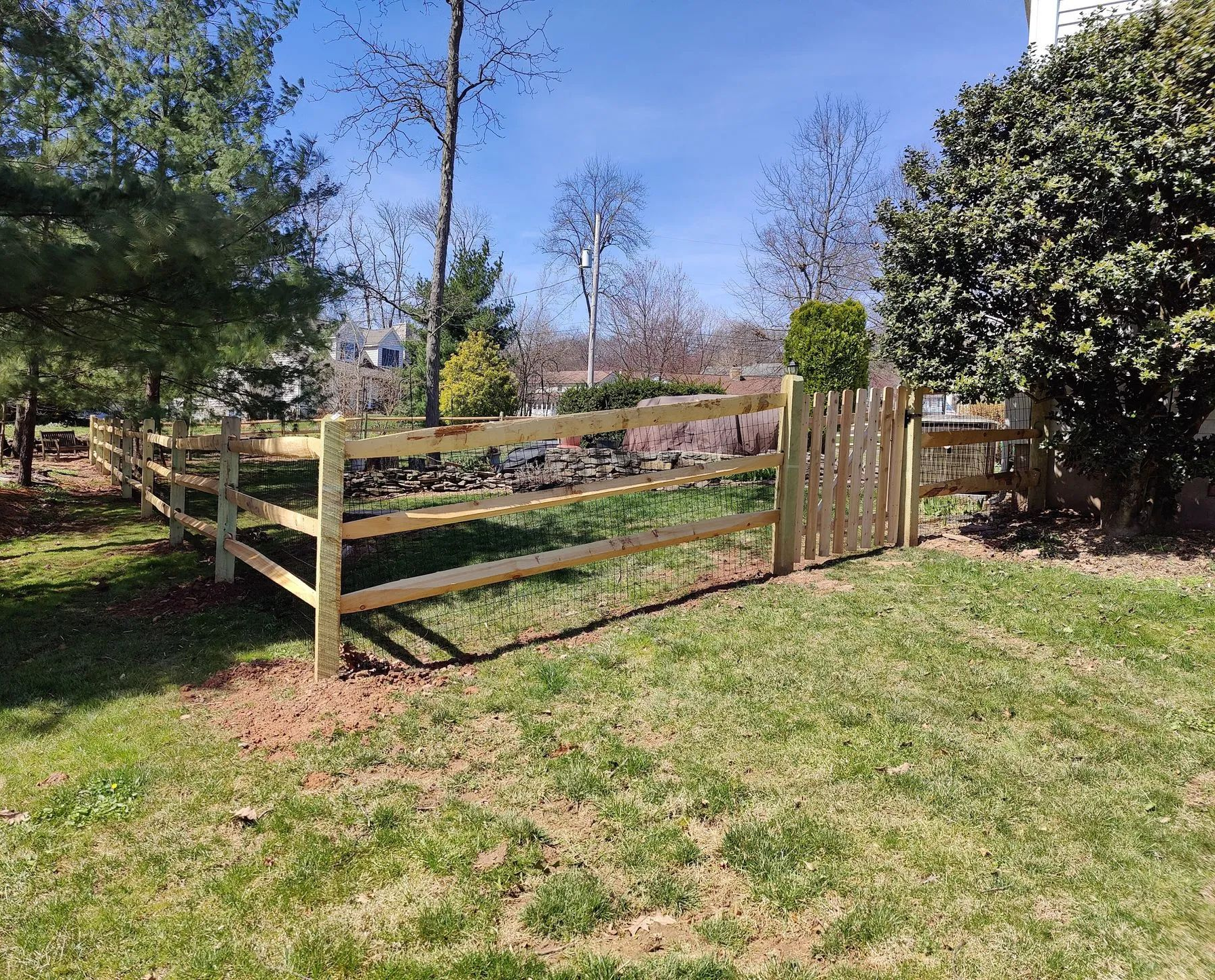
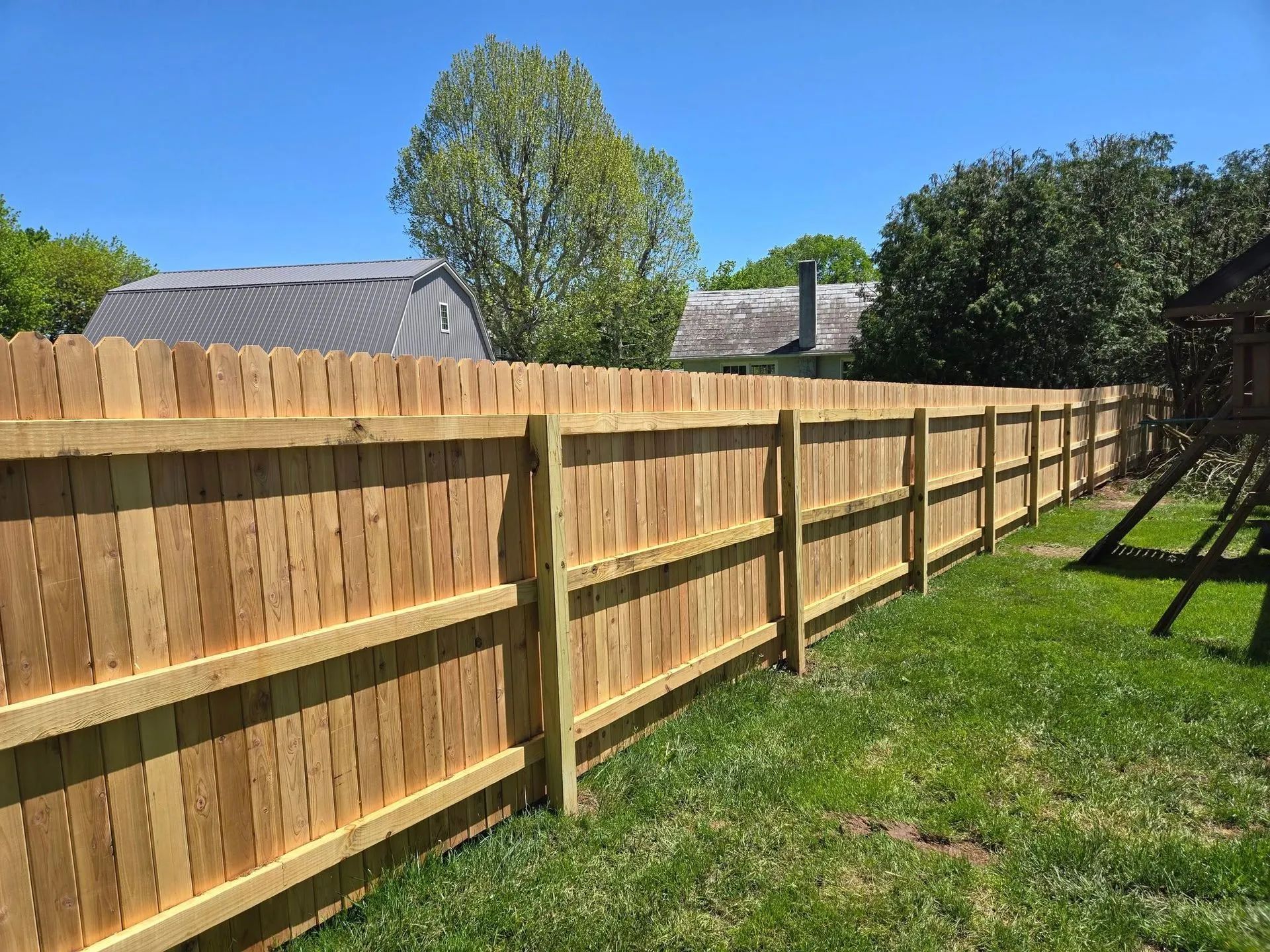
Wood fencing, particularly when made from cedar, redwood, or pressure-treated pine, is durable and can last 15–25 years. The natural properties of these woods offer resistance against rot and insect damage. However, wood requires regular maintenance such as staining, sealing, or painting to protect it from environmental damage. Neglecting maintenance can lead to warping, rotting, and structural instability. Despite this, many homeowners value wood for its strength and ability to withstand impact, which can be advantageous in areas exposed to strong winds or heavy physical stress.
Comparative Insights
When evaluating durability, vinyl offers lower long-term maintenance and consistent performance across climates. Wood, while naturally strong and customizable, demands ongoing care to achieve similar lifespan. Homeowners must consider how much time and effort they are willing to invest in fence upkeep.
Maintenance and Upkeep
Low Maintenance Advantage of Vinyl
One of the main selling points of vinyl fencing is its minimal maintenance requirements. Cleaning vinyl is as simple as rinsing it with water or using mild soap to remove dirt, mold, or mildew. It does not require painting, staining, or sealing, which saves time and reduces ongoing costs. Additionally, vinyl maintains its color without fading for years, ensuring your fence remains visually appealing with little intervention.
Wood Fencing: Maintenance Commitment
Wood fences, while beautiful, demand regular attention to preserve their appearance and functionality. Annual inspections for rot, cracks, or insect damage are recommended. Protective coatings, such as stains or sealants, need reapplication every few years to prevent water penetration and UV damage. Homeowners must also be vigilant against mildew and mold, especially in humid climates. Failure to maintain wood fences can lead to costly repairs or even full replacement sooner than expected.
Practical Takeaways
If you prefer a “set it and forget it” solution, vinyl fencing is the more practical option. Wood offers aesthetic versatility but comes with a commitment to regular upkeep, which may be a deciding factor for busy homeowners or those seeking low-maintenance solutions.
Aesthetics and Design Flexibility
Vinyl Fencing: Modern and Versatile
Vinyl fences are available in a wide range of styles, including privacy panels, picket designs, lattice tops, and ranch-style fencing. Color options have expanded beyond traditional white to include earth tones, greys, and wood-like finishes. While vinyl cannot be painted easily after installation, manufacturers now offer textures that mimic natural wood grain, providing visual appeal without the maintenance burden.
Wood Fencing: Timeless Beauty and Customization
Wood remains the material of choice for homeowners who value classic beauty and architectural harmony. It can be cut, carved, and stained in countless ways to match home exteriors, landscaping, or personal style. Custom designs, such as scalloped edges, arched tops, or intricate latticework, are much easier to achieve with wood than vinyl. The ability to repaint or restain also allows homeowners to refresh the look of their fence over time, adapting it to evolving design preferences.
Style Considerations
While vinyl has made significant strides in aesthetic options, wood retains an unmatched natural charm and tactile warmth. For properties where visual impact is a priority, wood may be the preferred choice, but for those seeking modern, low-maintenance uniformity, vinyl offers compelling design flexibility.
Cost Analysis
Vinyl Fencing: Upfront Investment vs. Longevity
Vinyl fencing typically has a higher initial cost compared to wood. Prices vary depending on style, height, and manufacturer, but homeowners can expect to pay a premium for the material. However, the long-term savings on maintenance, repairs, and replacements often offset the upfront expense. Over time, vinyl can be a cost-effective solution for those looking to avoid the recurring costs associated with wood care.
Wood Fencing: Affordable Installation with Maintenance Costs
Wood fences generally cost less initially, especially if using pressure-treated pine or other budget-friendly materials. However, maintenance costs, including staining, sealing, and occasional repairs, add up over time. Additionally, wood may need partial or full replacement sooner than vinyl, particularly in harsh climates, which can further increase lifetime costs.
Real-World Example
A homeowner comparing a 6-foot privacy fence might find vinyl costs 25–50% more upfront than wood. Yet, when factoring in repainting every 2–3 years and potential replacement sections, the lifetime cost of wood can approach or even exceed that of vinyl. Budget-conscious buyers should consider both short-term affordability and long-term financial impact when choosing a fencing material.
Environmental Impact and Sustainability
Vinyl: Long Lifespan but Production Considerations
Vinyl is a synthetic material derived from PVC, which requires significant energy for production. While its durability reduces the need for frequent replacements, environmental concerns exist regarding its manufacturing process and eventual disposal. Many manufacturers now offer recyclable vinyl options, which help reduce environmental impact, but this may not be universally available.
Wood: Renewable Resource with Careful Sourcing
Wood is a renewable, biodegradable material, and when sourced responsibly from certified forests, it has a lower carbon footprint than vinyl. The use of natural wood reduces synthetic chemical exposure and promotes sustainability. However, wood fences often require chemical treatments for preservation, which can offset some environmental benefits. Choosing sustainably harvested or reclaimed wood can help homeowners minimize their ecological footprint while enjoying the material’s natural appeal.
Making an Informed Choice
Homeowners prioritizing sustainability may favor wood, particularly when selecting eco-certified sources. Vinyl remains durable and low-maintenance but carries environmental trade-offs related to production and disposal. Considering the local climate, availability of recycling programs, and long-term durability can guide environmentally conscious decisions.
Installation and Practical Considerations
Vinyl Fencing: Simplified Installation
Vinyl fencing is typically designed for ease of installation with pre-assembled panels and posts. Many homeowners can complete small vinyl fence projects themselves with basic tools, although professional installation is recommended for large or complex designs. Vinyl posts are lightweight and easy to handle, and the panels often click or snap together, reducing installation time.
Wood Fencing: Custom Fit and Expertise Required
Wood fencing requires precise measurements, cutting, and assembly. Posts must be set deep enough to withstand weather and soil conditions, and boards often need individual adjustment to ensure level alignment. While DIY installation is possible, professional expertise ensures longevity and aesthetic consistency. Installation complexity can also affect labor costs, particularly for custom designs or uneven terrain.
Scenario Comparison
In neighborhoods with strict HOA regulations, vinyl panels may simplify compliance due to uniformity and pre-set dimensions. Wood offers more customization but demands careful planning to meet height, spacing, and design standards. Homeowners should weigh installation effort, time, and potential labor costs when evaluating their fencing options.
Experienced Fence Specialists Securing Homes with Precision
Choosing between vinyl and wood fencing requires careful consideration of durability, maintenance, aesthetics, cost, environmental impact, and installation needs. Vinyl offers low-maintenance longevity, resistance to pests and weather, and a range of modern styles. Wood provides timeless beauty, design flexibility, and a natural aesthetic that complements a wide variety of homes, but demands consistent upkeep. Evaluating your property’s location, climate, and long-term goals will help determine which fencing material aligns best with your lifestyle and budget.
For homeowners in Doylestown, Pennsylvania, seeking professional guidance, Steve's Fence and Railing
stands as a trusted authority. With 24
years of experience in providing expert fence contracting services, we combine technical knowledge with personalized service to help clients select and install the
perfect fencing solution. Our team ensures precise installation, high-quality materials, and long-term support, whether you choose the modern durability of vinyl or the classic appeal of wood. By partnering with Steve's Fence and Railing, you gain confidence in a durable, attractive fence that enhances both your property’s security and visual appeal.