How to Choose the Right Fence Material for Your Property
Choosing the right fence material is one of the most important investments a homeowner, builder, or property manager can make. A fence isn’t just a boundary — it shapes first impressions, influences property value, affects long-term maintenance costs, and plays a direct role in safety and privacy. With so many material options available today, from classic wood to modern composites, making an informed decision requires more than simply picking what looks appealing. You need to think through function, budget, climate, durability, and long-term performance.
The fencing industry has evolved significantly, offering materials engineered to last longer, withstand harsh conditions, and deliver greater aesthetic flexibility. As property owners demand both beauty and reliability, understanding the strengths and weaknesses of each option matters more than ever. Whether your goal is curb appeal, security, pet containment, or low-maintenance convenience, the right material ensures your fence performs exactly the way you expect — for years to come.
1. Start With Purpose: Why You’re Installing a Fence
Clarifying Your Primary Goal
Before selecting any material, identify what you need the fence to do. Taking time to clarify your goal upfront saves both money and frustration down the line.
Common priorities include:
- Privacy from neighbors or busy streets
- Security and access control
- Containing pets or children
- Enhancing curb appeal
- Defining property boundaries
- Reducing wind or noise
A property focused on security may prioritize strong, rigid, tamper-resistant materials, while decorative projects may lean toward aesthetics and custom styling. When the purpose is clear, material selection becomes logical instead of overwhelming. Considering long-term goals, like future expansion or resale potential, can also guide material choice effectively.
Matching Function to Design
A tall privacy fence with tightly spaced panels performs differently from an open-style ornamental fence. Aligning design with intended use prevents costly mistakes — like choosing an open metal fence when privacy was the real objective. Think longevity as well: a temporary fix today often becomes an expensive replacement tomorrow. Additionally, considering the fence’s style relative to landscaping and home architecture ensures both function and visual harmony.
2. Evaluating Popular Fence Materials
Wood Fencing: Classic, Warm, and Customizable
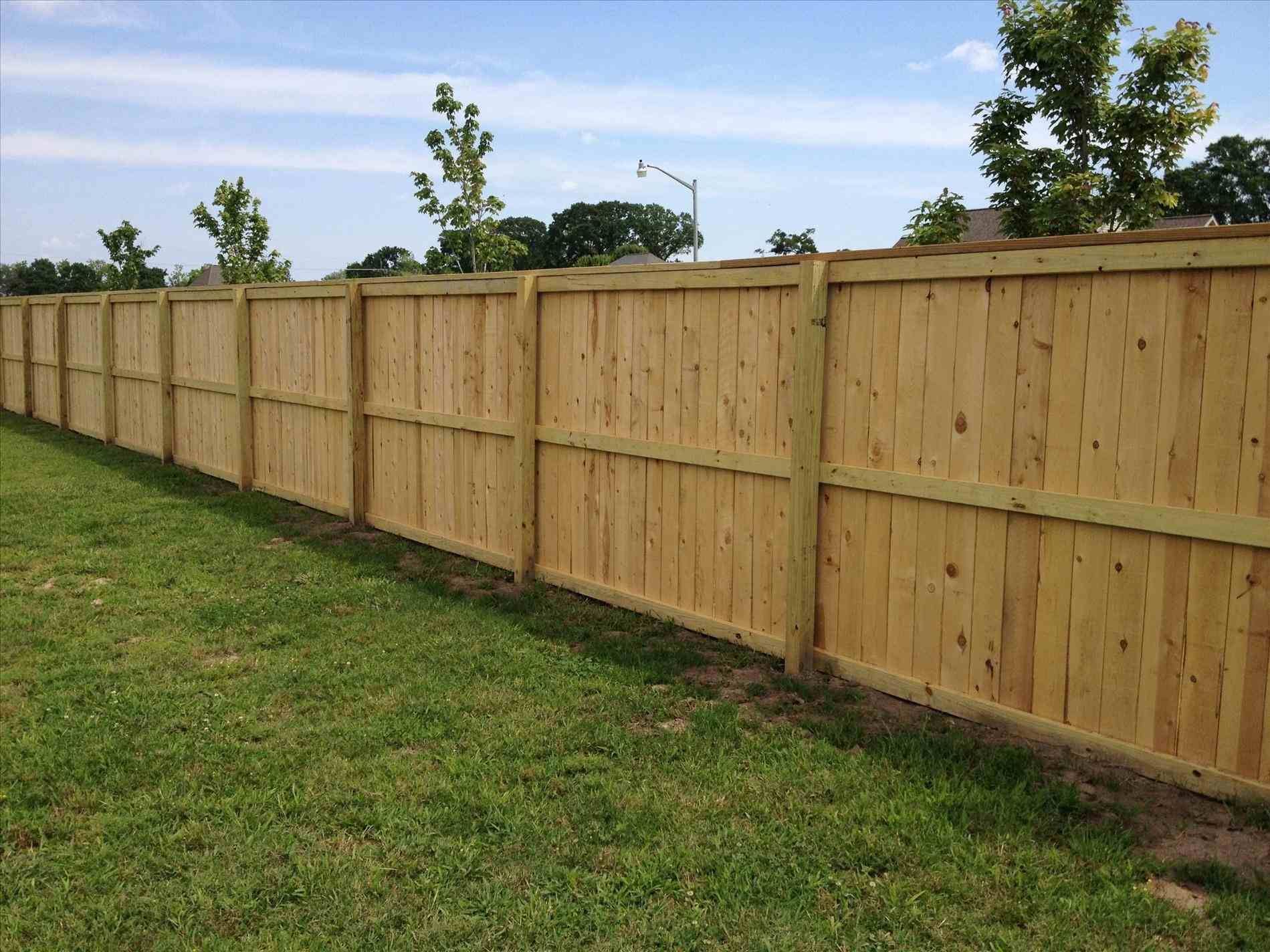
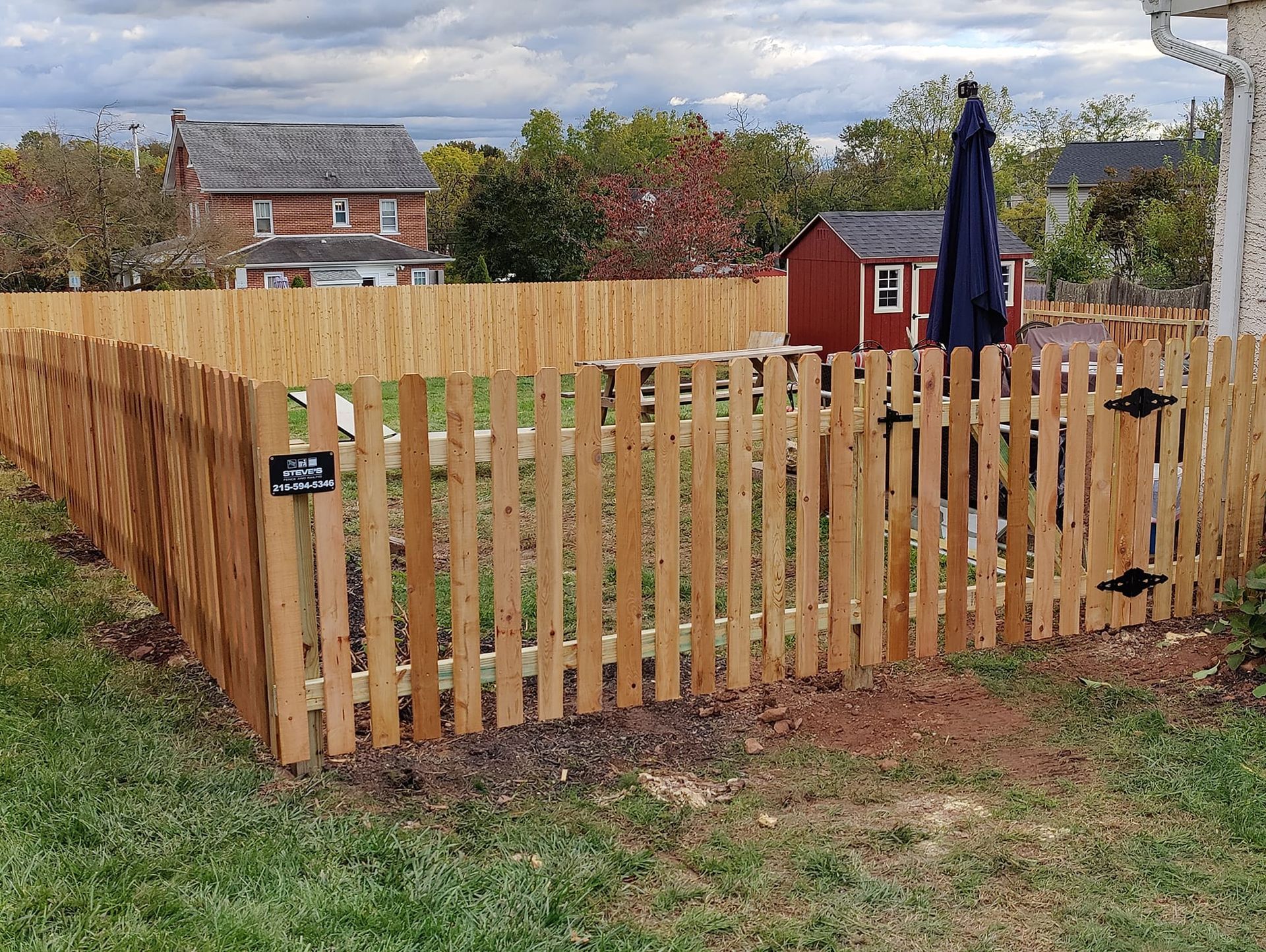
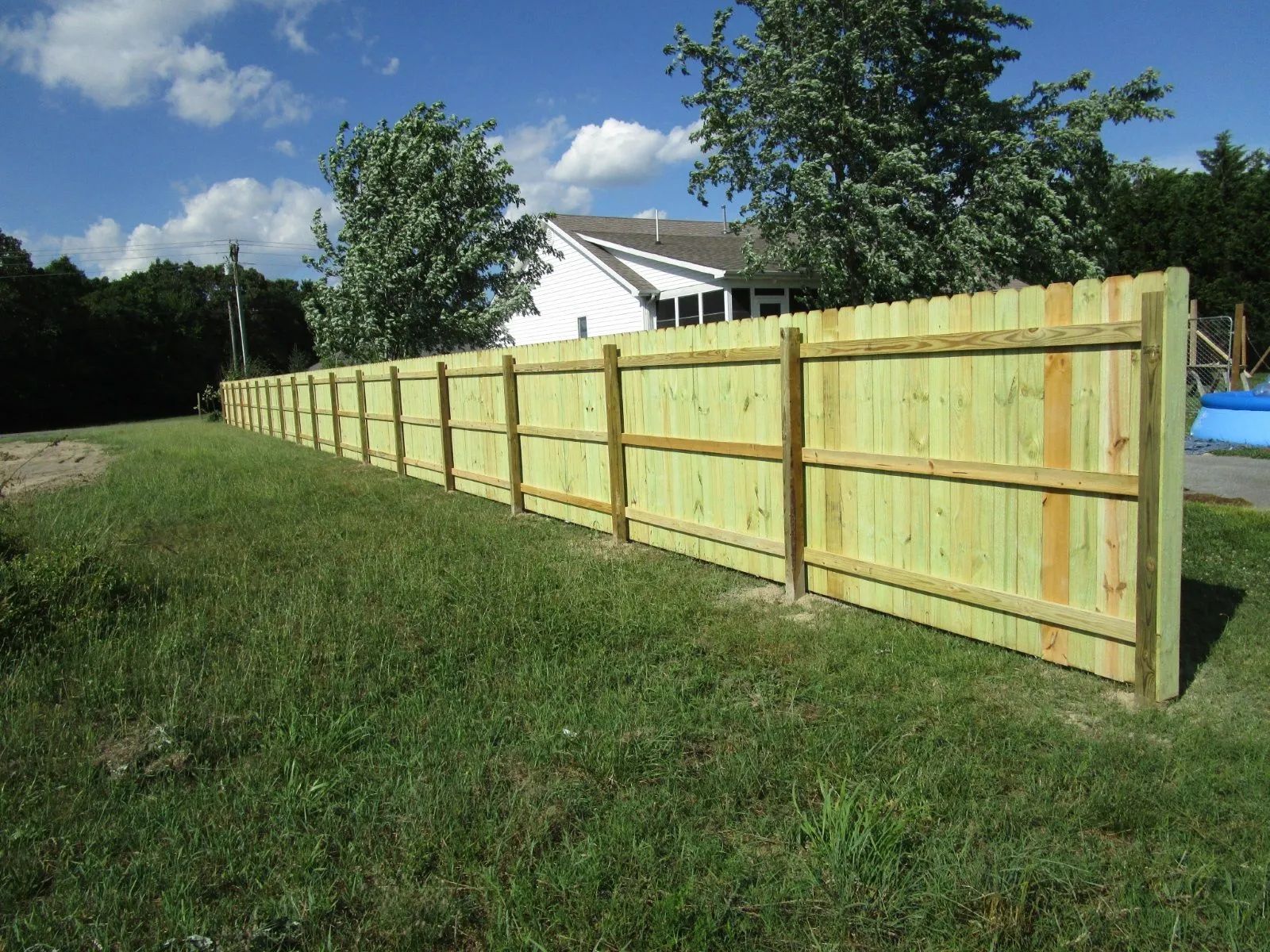
Wood remains one of the most popular choices because of its natural look and versatility. Cedar, pressure-treated pine, and redwood are common options. Its timeless appeal can enhance almost any property style, from traditional to modern farmhouse.
Benefits: Customizable, repairable, attractive, easy to stain or paint, and can be designed in virtually any style.
Challenges: Requires ongoing sealing, can warp or rot in wet climates, and may attract insects. Wood fencing also tends to age faster in harsh climates, so periodic inspections and minor repairs are necessary to maintain structural integrity.
Vinyl (PVC) Fencing: Low-Maintenance Convenience
Vinyl fencing appeals to homeowners who want beauty with minimal upkeep. It resists weathering and can retain color longer than painted wood, making it ideal for busy households.
Benefits: No painting, resists rot and insects, cleans easily, and often comes with long manufacturer warranties.
Challenges: Can crack in extreme temperatures, repairs may require panel replacement, and styles can look less natural. While initial costs are higher, homeowners save time and money on maintenance over the fence’s lifetime.
Aluminum and Steel: Strength With Style
Metal fencing offers longevity, security, and architectural appeal. It is perfect for those prioritizing durability and a sleek, modern appearance.
Benefits: Durable, weather-resistant, elegant designs available, and resistant to impact.
Challenges: Limited privacy, potential for rust if coatings fail, and higher initial investment. Choosing powder-coated finishes and corrosion-resistant options can greatly extend lifespan, particularly in humid or coastal areas.
Composite Fencing: Modern and Engineered
Composite blends wood fibers and recycled plastics for durability. It combines the look of wood with the resilience of synthetic materials, making it an eco-friendly choice.
Benefits: Resists rot, fading, insects, and warping while mimicking wood.
Challenges: Higher upfront cost and professional installation often required. It’s especially suitable for homeowners seeking a long-term, maintenance-free solution with a natural aesthetic.
3. Consider Climate, Soil, and Local Conditions
Weather Impacts Performance
Climate is one of the most overlooked — yet crucial — decision factors. Selecting materials suited to your environment ensures longevity and prevents frequent repairs or replacements.
- Humid regions: Wood needs extra sealing, while vinyl and composite hold up well.
- Cold climates: Freeze-thaw cycles can shift posts and crack brittle materials.
- Coastal areas: Salt exposure accelerates corrosion on unprotected metal.
Planning for extreme weather conditions, such as heavy snow loads or high winds, ensures your fence remains structurally sound for years to come.
Soil Stability Matters
Clay, sandy soil, or rocky terrain all affect how posts should be anchored. Some materials need deeper footings, concrete stabilization, or specialty hardware. Ignoring soil conditions can cause leaning fences, sagging gates, and expensive re-installation.
Understanding soil composition also helps determine the proper type of posts, fasteners, and drainage solutions, reducing long-term maintenance issues.
4. Balancing Budget With Long-Term Value
Upfront Costs vs. Lifetime Costs
The cheapest fence rarely becomes the least expensive over time. Maintenance, staining, repainting, repairs, and replacements all add up. Comparing long-term costs rather than initial price ensures you make a financially sound decision.
For example, wood may cost less initially, but vinyl or composite may deliver lower lifetime expenses due to reduced maintenance. A thorough cost-benefit analysis factoring in longevity, durability, and maintenance helps avoid unforeseen expenses.
Smart Cost-Saving Choices
You can reduce costs without sacrificing performance by:
- Choosing durable posts with simpler panels
- Mixing materials (e.g., metal frames with wood infill)
- Installing only where privacy or security is needed
- Planning phased installation over time
A thoughtful approach ensures you invest wisely instead of repeatedly. Considering DIY options for certain segments can also save labor costs while maintaining quality.
5. Maintenance, Durability, and Safety Considerations
Maintenance Reality Check
Ask yourself how much time you want to spend on upkeep. Routine maintenance is critical for the fence to last as intended.
Wood needs sealing, painting, or staining. Metal may require rust prevention. Vinyl and composite only need periodic washing. A realistic maintenance plan extends lifespan and keeps your fence looking its best, protecting your initial investment.
Durability and Structural Integrity
Wind loads, soil pressure, and impact resistance all influence material performance. Reinforced posts, proper fasteners, and professional installation techniques significantly improve structural stability. Additional reinforcements like cross braces or concrete footings can prevent sagging over time.
Safety and Code Compliance
Local municipalities often have regulations concerning fence height, placement, and materials. Pools, front yards, and corner lots may carry special rules. Choosing compliant materials prevents fines, disputes, and mandated removals. Checking utility lines, easements, and property boundaries in advance further protects against legal issues.
6. Aesthetics, Resale Value, and Neighborhood Compatibility
Designing With Your Property Style in Mind
Your fence should complement — not compete with — the architecture of the home. Sleek metal pairs well with modern designs, while natural woods enhance traditional or rustic homes. Matching color schemes and finishes to your landscaping improves overall property appeal.
Neighborhood and HOA Considerations
Many communities have fencing guidelines meant to preserve uniformity. Checking rules first avoids costly changes later. Adhering to neighborhood aesthetics may also help maintain harmony with adjacent properties and prevent disputes.
Impact on Property Value
A well-designed, durable fence improves curb appeal and perceived security. Poorly chosen or deteriorating fencing can have the opposite effect, turning buyers away and lowering value. Investing in high-quality materials and professional installation pays dividends if you ever plan to sell, as buyers appreciate both function and style.
Choosing the right fence material is ultimately about clarity, planning, and long-term thinking. By evaluating purpose, climate, aesthetics, cost, and maintenance expectations, property owners can avoid regret while ensuring their investment truly serves their needs. A fence should feel intentional — built to protect, enhance, and last — rather than rushed or reactionary. When decisions are guided by facts instead of assumptions, the results are stronger, safer, and more attractive.
Working with knowledgeable professionals further protects your investment. Expert guidance helps interpret local codes, evaluate material performance, and ensure correct installation methods. With the right approach, your fence becomes more than a boundary — it becomes an asset that adds value and peace of mind for years to come.
Reliable Fence Solutions Designed Around Your Needs
At Steve's Fence and Railing in Doylestown, Pennsylvania, decades of hands-on experience have shown that the best fencing solutions start with listening, education, and craftsmanship. With 24 years of expertise, the team understands how climate, soil conditions, and lifestyle needs influence long-term fence performance. They approach every project with a consultative mindset, helping homeowners compare materials honestly, understand the pros and cons, and choose options that align with their goals and budgets. From durable security fences to beautifully designed decorative installations, Steve's Fence and Railing emphasizes precision, safety, and structural integrity on every job. Their work reflects a commitment to reliability — using quality materials, professional installation techniques, and attention to detail that stands the test of time. Clients appreciate clear communication, transparent recommendations, and workmanship built around trust rather than sales pressure. If you’re considering a new fence and want guidance grounded in real industry experience, Steve's Fence and Railing is a dependable partner ready to help you make the right decision for your property.