How to Spot Early Signs of Fence and Railing Damage?

November 26, 2025

Fences and railings are more than just functional features—they enhance the curb appeal, safety, and privacy of your property. However, like any part of your home, they are vulnerable to wear and tear caused by weather, pests, and everyday use. Detecting damage early can prevent costly repairs and extend the life of your fence or railing. Many homeowners overlook subtle warning signs, leading to significant problems over time. By learning to identify these early indicators, you can maintain the safety, durability, and appearance of your outdoor structures before small issues become major headaches.

1. Warping and Bending

Wooden fences are particularly prone to warping due to moisture exposure or improper installation. Warping can cause panels to misalign, creating gaps that compromise security and privacy. Similarly, metal railings may bend or twist under stress or impact, which can weaken their structural integrity. Regularly inspecting the straightness of posts and panels can help you spot this damage early.

2. Cracks and Splits

Small cracks or splits in wooden fences often indicate the onset of rot or weather damage. Even minor cracks can expand over time, leading to structural failure. For railings, look for cracks in welds or joints that may compromise their strength. Catching these issues early allows for timely repairs or reinforcements before they become safety hazards.

3. Rust and Corrosion

Metal fences and railings are susceptible to rust, particularly in areas with high humidity or frequent rainfall. Rust not only affects the appearance but also weakens the metal, making it prone to breakage. Regularly checking for discolored patches, flaking paint, or pitting can help you address corrosion before it spreads extensively.

4. Loose or Wobbly Sections

Posts or panels that wobble or shift easily are a clear sign of underlying issues. Loose hardware, rotting wood, or unstable foundations can cause this movement. Testing sections by gently pushing or pulling can reveal potential weaknesses that may require reinforcement, tightening, or replacement.

5. Signs of Pest Damage

Termites, carpenter ants, and other wood-boring pests can quietly damage wooden fences and railings. Look for small holes, sawdust, or weakened sections that feel soft to the touch. Early detection of pest activity can prevent widespread destruction and save significant repair costs.

6. Fading and Surface Damage

While cosmetic, fading paint, splintering wood, or peeling finishes can indicate that your fence or railing is losing its protective coating. This can leave the material exposed to moisture, sunlight, and other elements, accelerating deterioration. Maintaining a regular sealing or painting schedule helps prevent surface damage from becoming structural problems.

Reliable Fence Care with Experts You Can Trust

Spotting early signs of fence and railing damage is essential for maintaining safety, beauty, and longevity. Regular inspections, timely repairs, and preventive care can save homeowners time and money. For professional assessment and high-quality repairs, Steve's Fence and Railing is a trusted choice. With 24 years of experience serving Perkasie, Doylestown, and beyond, our team delivers durable, attractive fencing and railing solutions tailored to your property. Protect your investment and ensure your home’s outdoor spaces remain safe and visually appealing with our expert services.

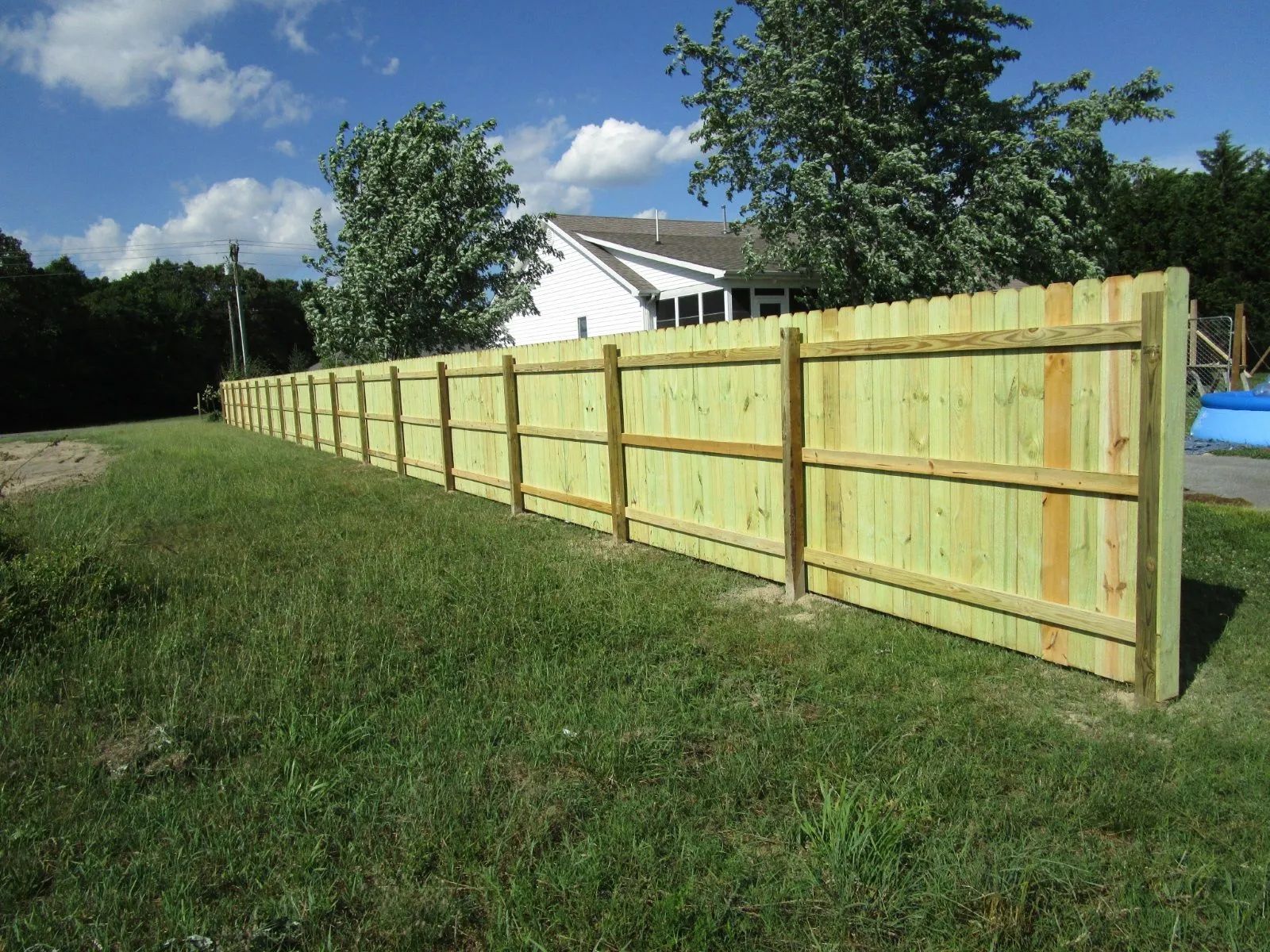
Green backyard lawn with a wooden privacy fence and trees in the background
April 21, 2026
Fence installation is more than placing posts and panels along a property line; it is a structured process that combines planning, precision, and compliance with local regulations. Whether the goal is privacy, security, pet containment, or enhancing curb appeal, understanding what happens during installation helps set realistic expectations and prevents costly mistakes. Many property owners underestimate the preparation involved, assuming the process begins and ends with physical construction. In reality, successful fencing projects depend on accurate measurements, material selection, soil conditions, and proper sequencing of work. A clear understanding of each stage allows better decision-making and smoother coordination with installation professionals. From the initial site evaluation to the final inspection, every step plays a role in ensuring durability, alignment, and long-term performance. Without proper guidance, issues such as uneven installation, boundary disputes, or premature wear can arise. This step-by-step guide breaks down the entire fence installation process in a practical and structured way, helping property owners understand what to expect at each stage. With the right approach, fence installation becomes a predictable and efficient improvement that adds both value and functionality to any residential or commercial property.
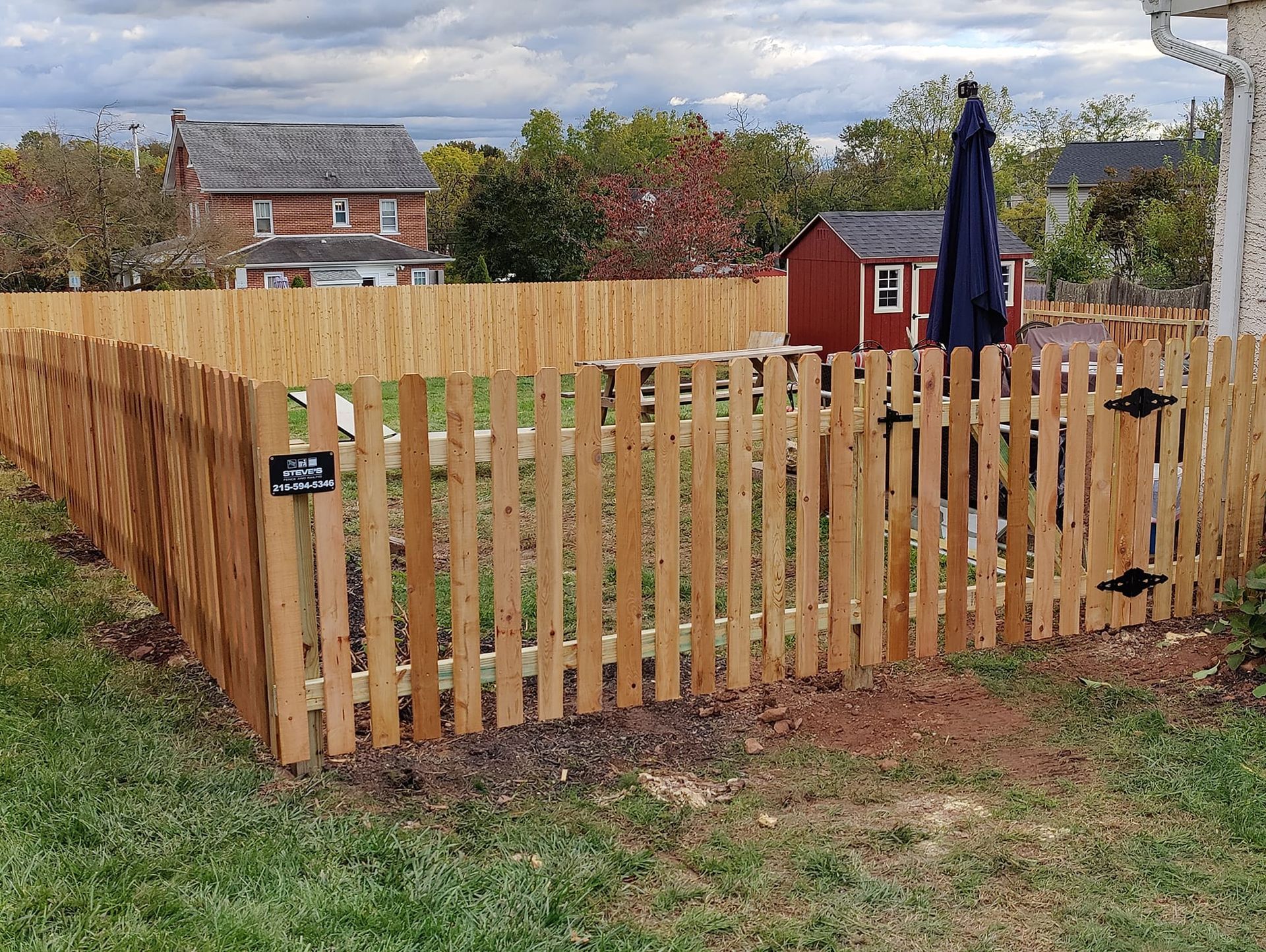
A light-colored wooden privacy fence meets a split-rail fence in a backyard, with a red-leaf tree and house in the background.
March 17, 2026
Choosing the right fencing material is one of the most important decisions for homeowners looking to enhance the security, aesthetics, and overall value of their property.
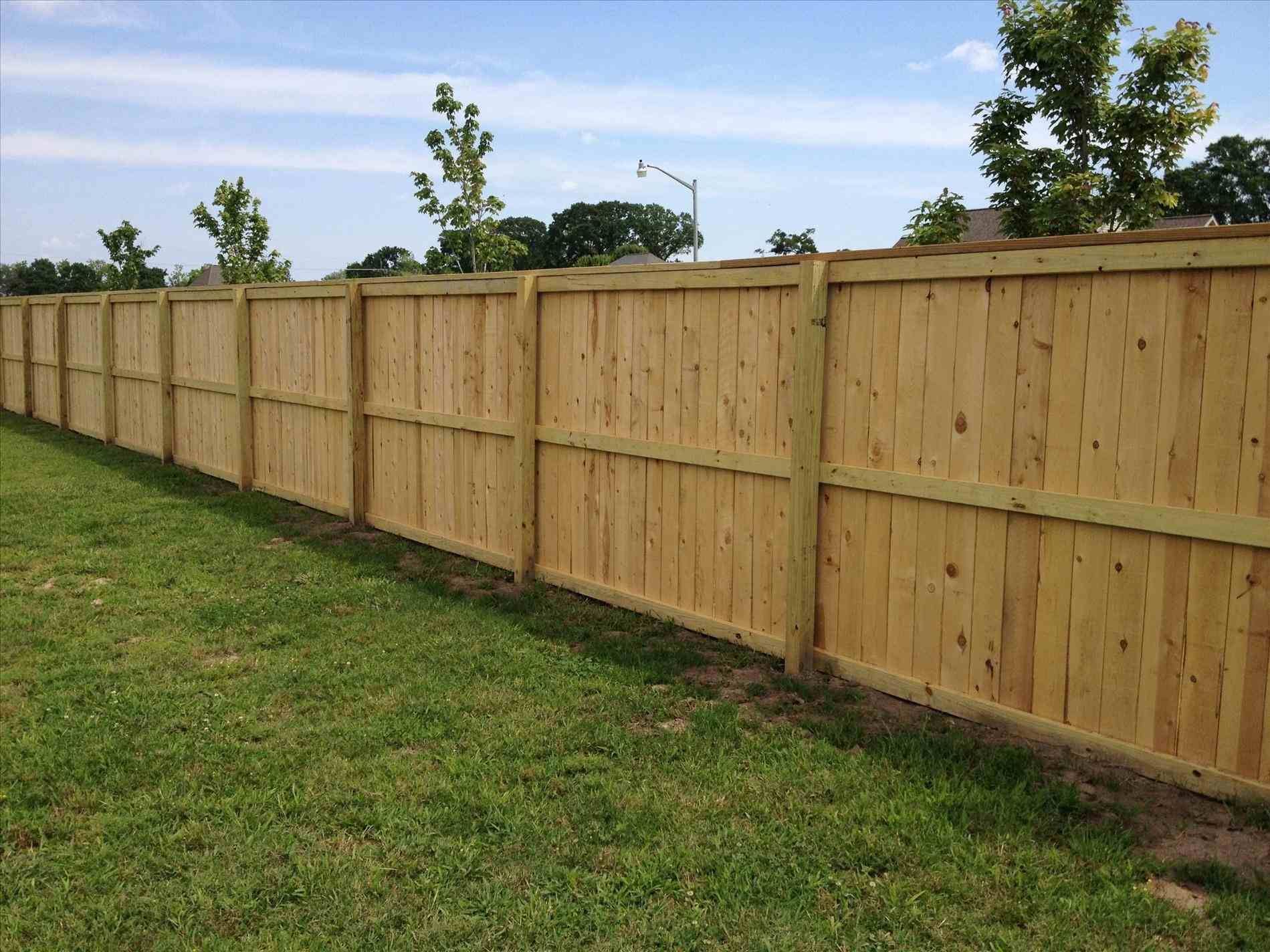
Green backyard with a newly built wooden fence, on a sunny day.
February 22, 2026
Installing a fence may seem like a straightforward home improvement project, but navigating the maze of local regulations can make it surprisingly complex. Fence regulations vary widely depending on the municipality, homeowner association (HOA) rules, and zoning laws.